








Featured case study
Building a Print-on-Demand Shopify Integration Platform
This Print-on-Demand (POD) platform is designed to help businesses sell custom-designed products without managing inventory, production, or logistics.
Read the case study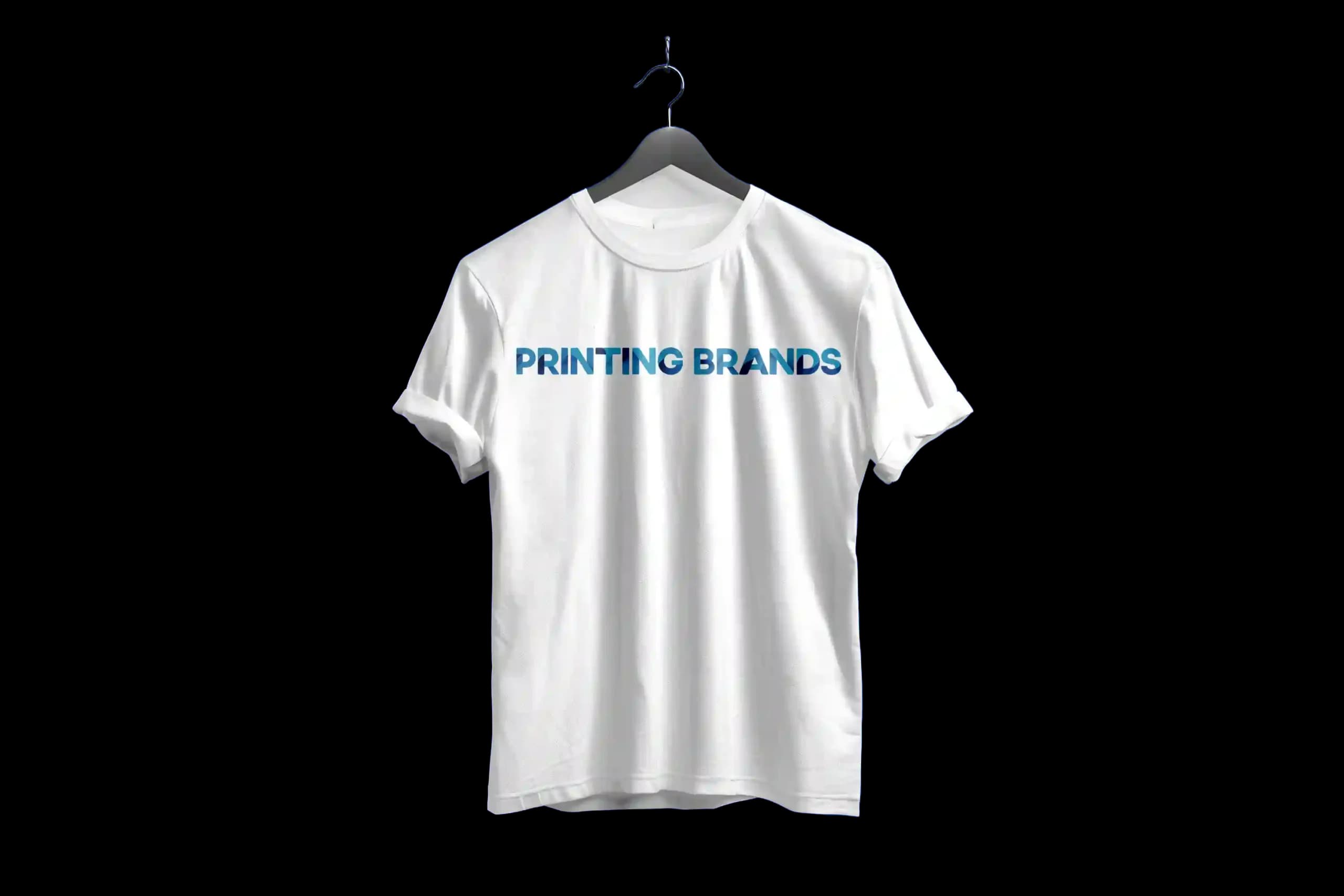
Websites your team can edit easily, with content you can reuse on web, apps and other channels.
Stack we work in
Figures as of Oct 2026
Trusted by
A headless CMS keeps your content in one place and sends it to any website, app or screen through an API.
Your marketing team gets a simple editor with previews and approvals, and your site gets a fast, secure front end that is not tied to the CMS. We set up and model content in Strapi, Sanity, Contentful, Payload or Storyblok, build the front end in Next.js or Astro, and move your existing content across without losing search rankings.
Marketers cannot build or change pages without a ticket, so campaigns wait.
Years of themes and plugins have made the site slow and hard to update safely.
The same product or help content is retyped for the website, the app and other channels.
Brands or regions run separate sites, so updates are repeated and drift apart.
The public site exposes an admin panel and plugins that need constant patching.
Outcomes
Pages built from reusable blocks, with preview, scheduling and approvals.
One content source with locales, translations and regional variations.
In-app help, news, offers and onboarding screens updated without an app release.
Editorial and landing pages alongside a Shopify or other commerce back end.
Structured articles with search, versioning and feedback.
A planned move to a headless set-up with redirects and SEO checks.
Learn moreThe CMS configured with roles, locales and environments, in your account.
Documented content types and page blocks designed with your editors.
A Next.js or Astro site with preview, caching and image optimization.
Pages, media and metadata moved across, with a full redirect map.
Meta tags, structured data, sitemaps and analytics wired to the CMS.
Hands-on sessions and short guides for your content team.
Pick the CMS that fits your team, budget and hosting.
Built with
Structure content once so it can be reused everywhere.
A fast site that reads from the CMS.
Built with
Move content without losing traffic.
Built with
Use the same content beyond the website.
Built with
Since 2018 we have delivered 680+ projects for 310+ clients, and 98% of clients keep working with us.
We set up the CMS and build the Next.js or Astro front end together, so content and design fit.
We add live previews, clear content models and roles, so your marketing team is not slowed down.
We migrate content and URLs, set up redirects and check rankings after launch.
Work with a project team, or hire developers with a 15-day free trial.
Featured case study
This Print-on-Demand (POD) platform is designed to help businesses sell custom-designed products without managing inventory, production, or logistics.
Read the case study AI-Driven Storytelling Platform
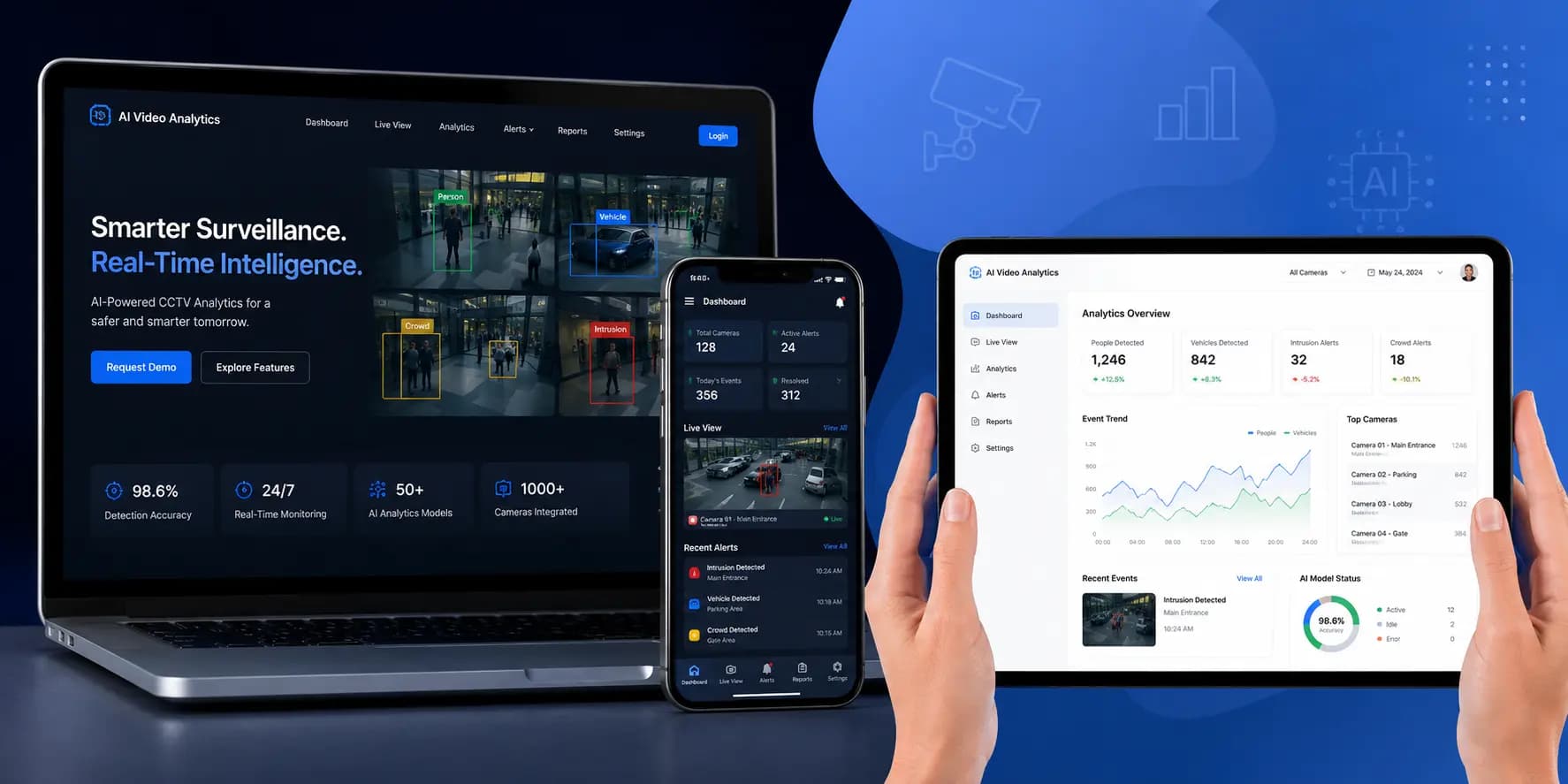 AI Video Analytics CCTV Intelligence Development
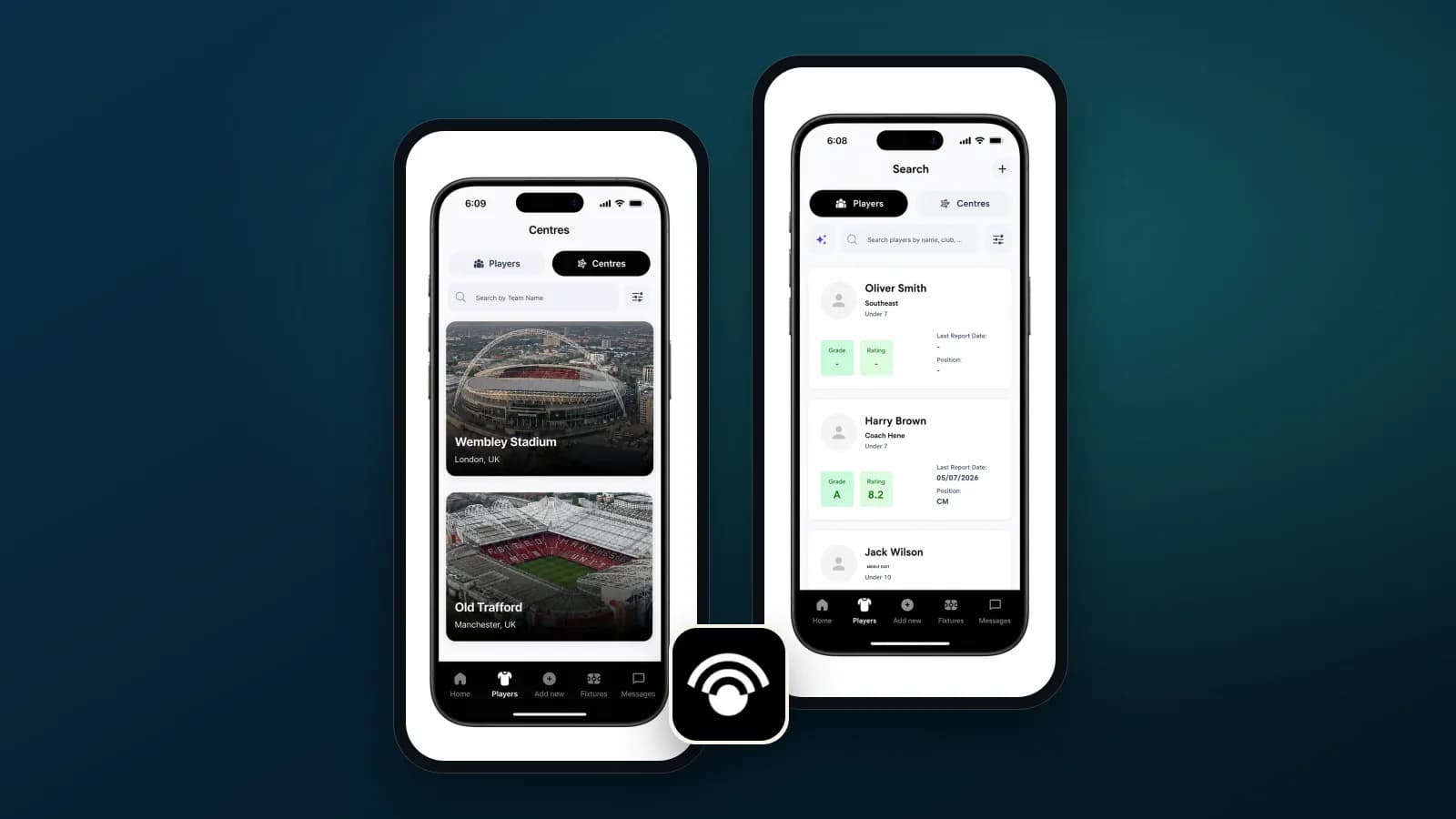 BallWatch – Football Academy Scouting and Recruitment App
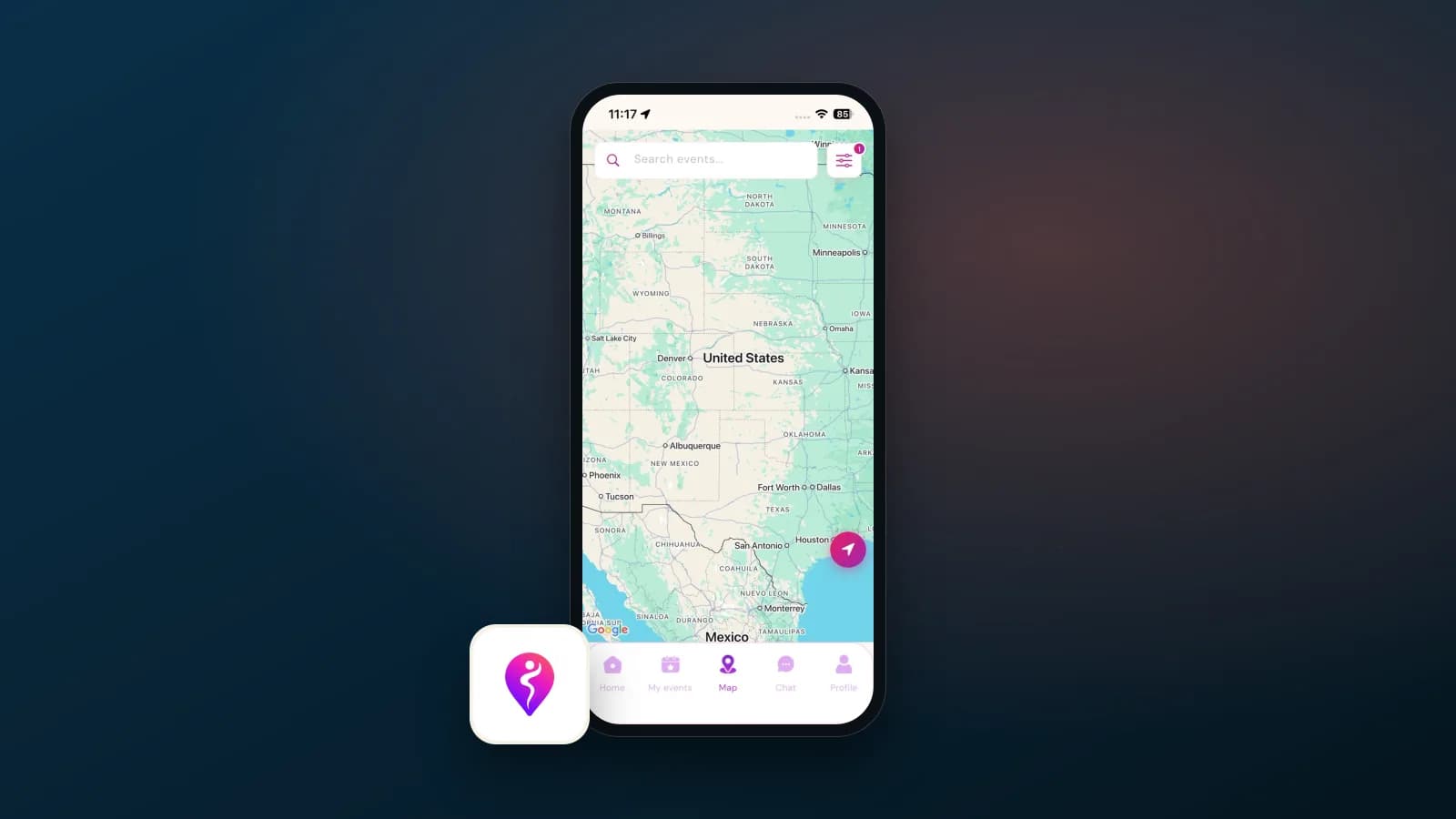 Dancespot – Mobile Application & Web Portal Development
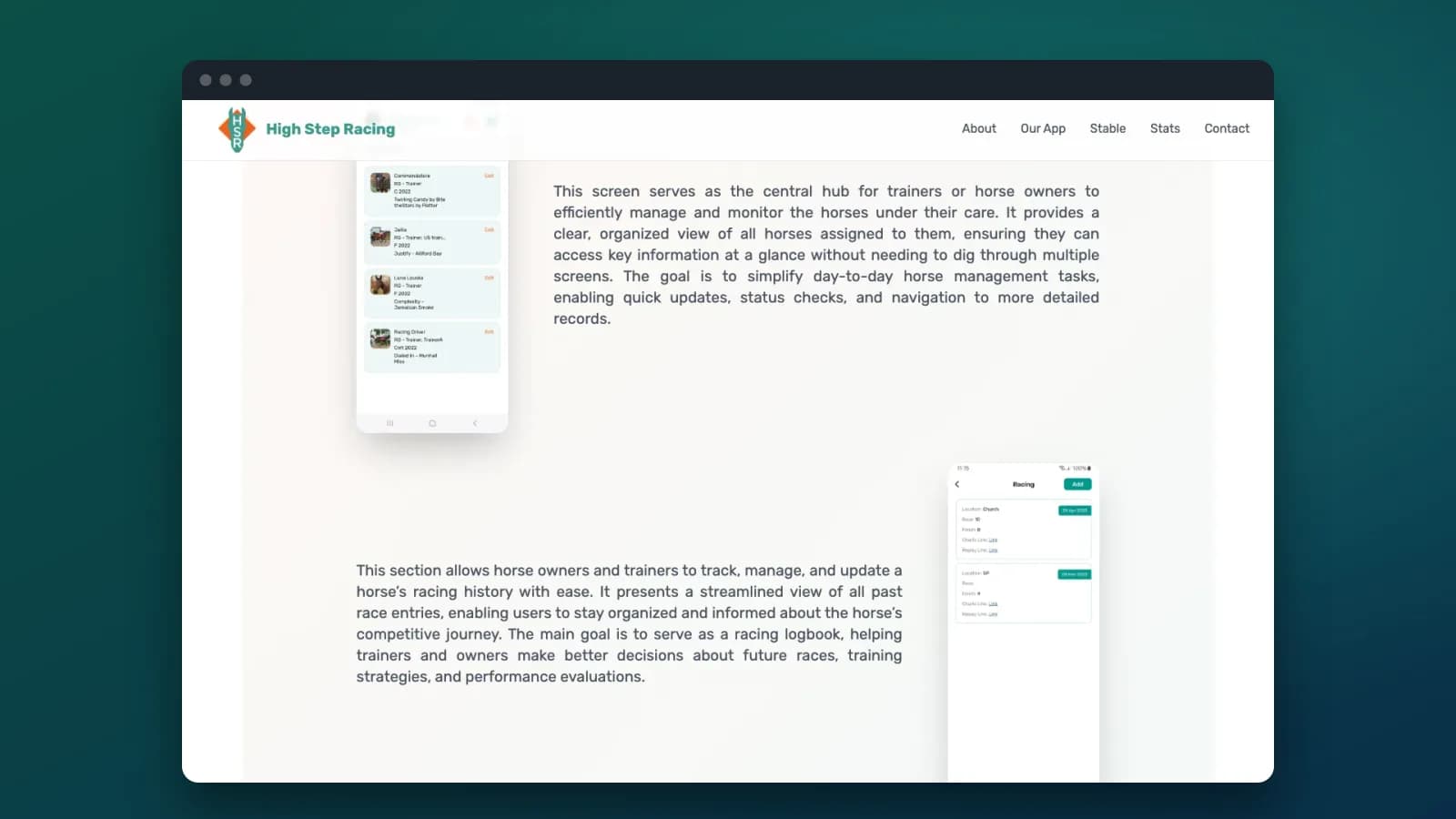 High Step Racing – Horse Management App for Owners and Trainers
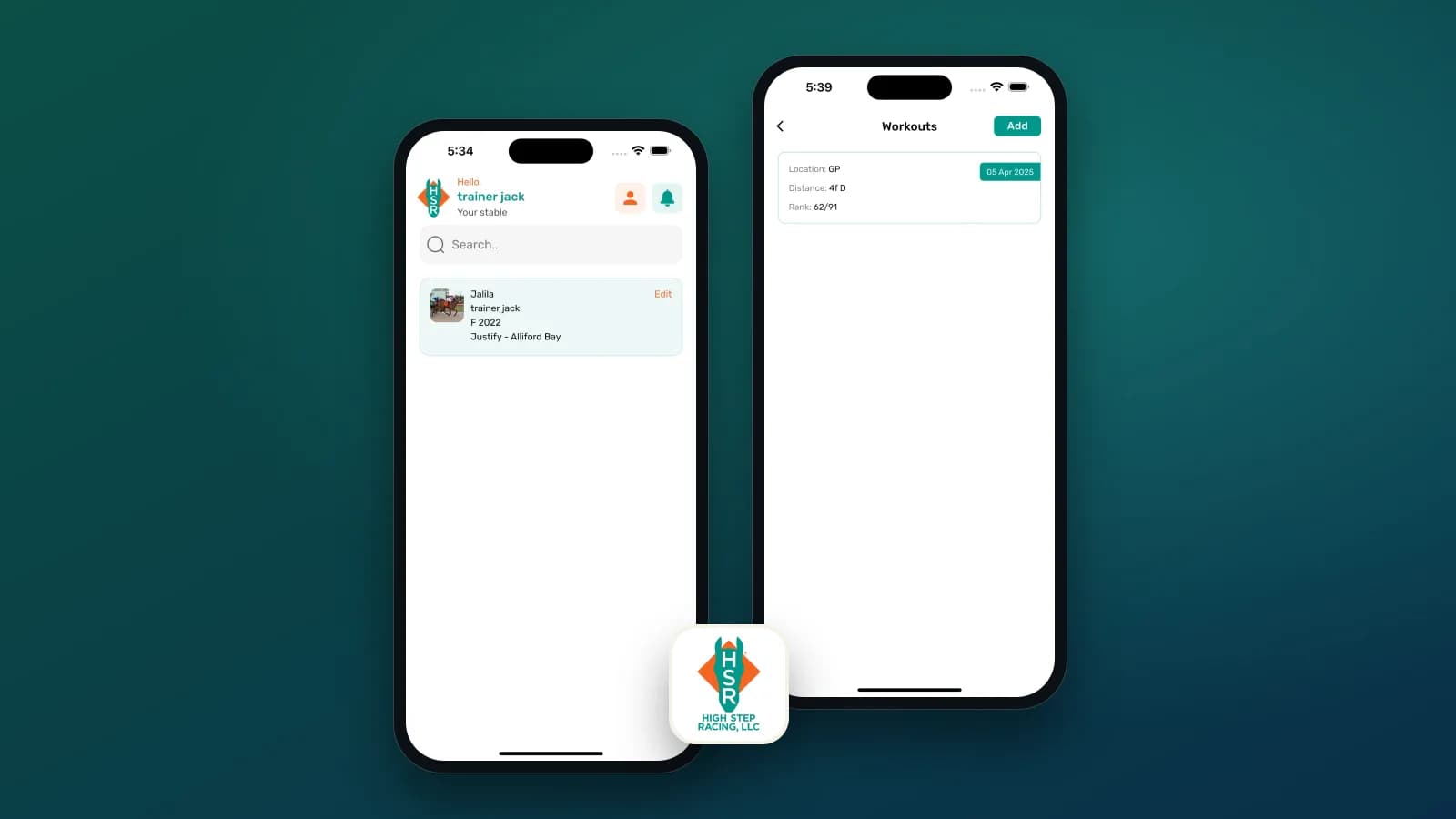 High Step Racing – Horse Racing Stable Management App
We review your current content, templates, editors and traffic, and list what must move and what can be retired.
You receive Content inventory and goals
We recommend a CMS, then design content types and page blocks with your editors.
You receive CMS recommendation and content model
We build the front end and component library, connected to the CMS with live preview.
You receive Working site on staging
Scripts move content and media, then we map old URLs to new ones and check every redirect.
You receive Migrated content and redirect map
We switch DNS, watch Search Console and Core Web Vitals, and fix anything that slips.
You receive Live site and launch report
Editors get hands-on training and short guides, and we stay on for updates and new features.
You receive Editor guide and support plan
Tech stack
Databases
BI and analytics
Frontend
Backend and APIs
Languages
Cloud and DevOps
 AWS
CRM, commerce and CMS
Testing and quality
Other tools
Engagement
A headless CMS site built against an agreed scope, timeline and price.
Developers who work on your product full time or part time, inside your process and tools.
Monitoring, fixes, updates and small improvements after launch, on a monthly plan.
It depends on the number of templates and content types, how much content needs to move, the number of languages and the integrations you need. SaaS CMS plans are billed to your own account. After a short call we send a written estimate. As a guide, a marketing site on a headless CMS usually costs $8,000 to $25,000, and a larger multi-language site with migration and integrations $25,000 to $80,000 or more (USD).
It is a content editor without a fixed website attached. Editors write and approve content as usual, and the content is sent through an API to whatever displays it: your website, an app or another channel. The website itself is a separate, faster front end.
Sanity and Storyblok suit teams that want strong visual editing. Contentful suits larger organizations with many teams and strict workflows. Strapi, Payload and Directus are open source and can be self-hosted, which keeps license costs and data location under your control. We recommend one after looking at your editors, budget and hosting rules.
Not if the content model is designed well. We build page blocks your team can arrange themselves, add live preview so they see changes before publishing, and train editors on the final set-up.
Yes. Headless WordPress keeps the familiar admin and sends content through WPGraphQL or the REST API to a Next.js front end. It is a good choice when your team already knows WordPress well.
Not if the move is planned. We keep or redirect every URL, carry over titles, descriptions and structured data, and check Search Console after launch. Faster pages often help rankings.
A marketing site usually takes 6 to 10 weeks. Larger sites with many templates, languages or a big migration take 3 to 6 months. We agree a timeline after the content audit.
No. The front end usually runs on Vercel, Netlify, Cloudflare or AWS, and the CMS is either a SaaS service or a small self-hosted app. We set up hosting, backups and monitoring in your accounts.
Yes. Content stays in your CMS account and can be exported, and the front end code lives in your repository.
We start with a short discovery call under NDA if you need one. Send us your idea, any designs or documents, and the systems the work must connect to. We then share a written scope, timeline and estimate before any build work starts.
Yes. We update the CMS and front end, fix issues and add features under a support plan.
Book a call with our team. We will review your current site and content and suggest a CMS, a plan and a budget.