













Featured case study
Building an AI-Powered Wardrobe & Style Intelligence App
An AI-powered wardrobe intelligence app that helps people organize their clothing and understand their personal style.
Read the case study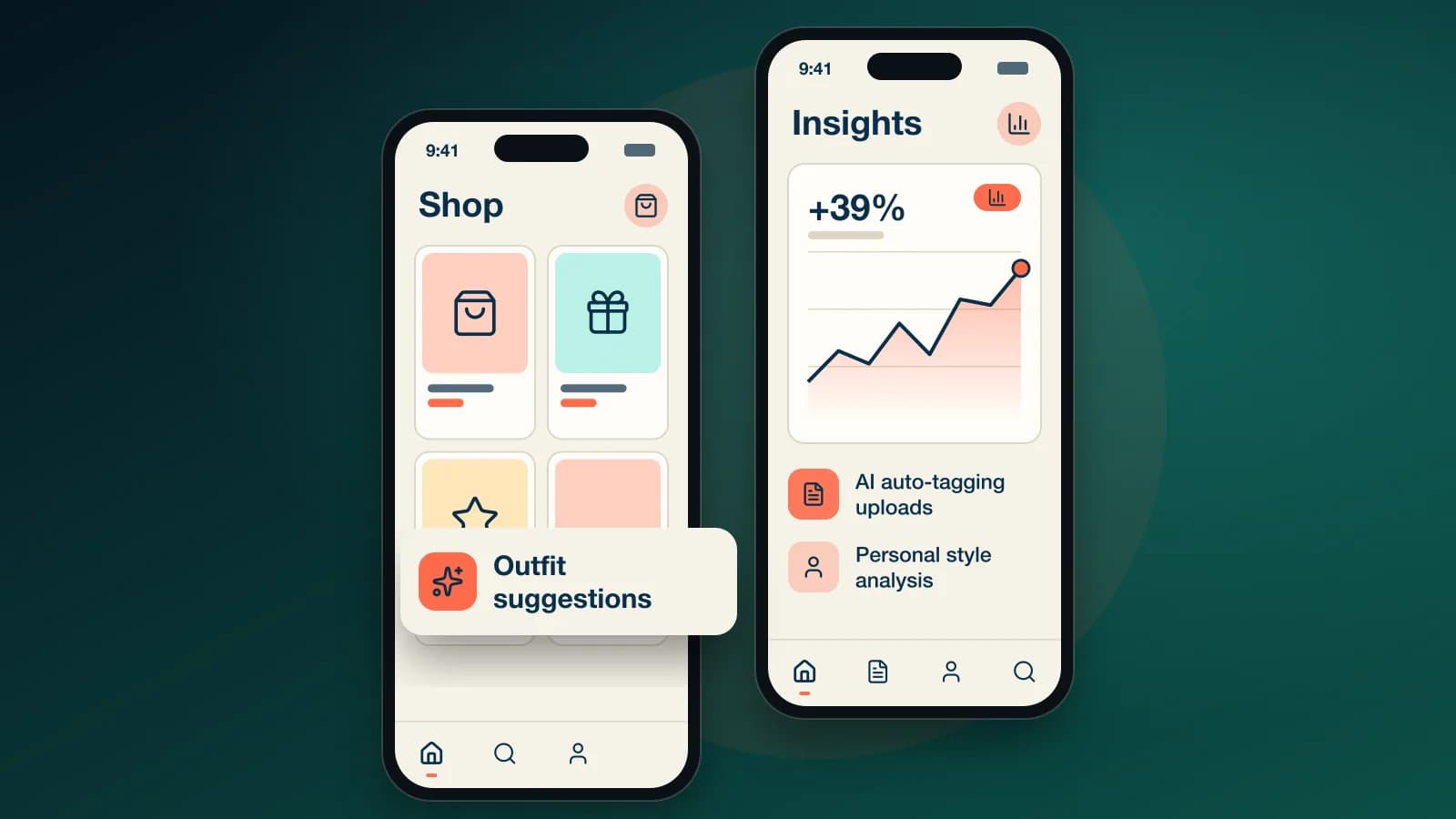
Engineers who automate releases, keep systems up and control cloud costs, ready in 48 hours.
Stack we work in
 AWS
 Microsoft AzureAzure DevOps
Figures as of Oct 2026
Trusted by
Our DevOps engineers make releases routine instead of risky.
They automate builds, tests and deployments, set up cloud infrastructure as code, add monitoring so problems are spotted early, and find savings in your cloud bill. They work on AWS, Azure and Google Cloud, in your repositories and time zone, and you start with a 15-day free trial.
Manual deployments mean late nights, failed releases and fear of shipping on Fridays.
Nobody is sure how production was built, so changes and recovery are guesswork.
Without monitoring and alerts, problems surface through support tickets.
Oversized servers and forgotten resources add cost every month.
Outcomes
Pick one profile or combine several. Each person works in your tools, repositories and process.
Automates builds, tests and deployments.
Builds cloud environments from code.
Runs container platforms that scale.
Keeps services fast and available.
Builds security checks into delivery.
Pipelines that build, test and deploy every change automatically.
Apps moved from on-premises or another cloud in planned stages.
Managed clusters with GitOps, autoscaling and safe upgrades.
Existing hand-built cloud resources captured in Terraform.
Dashboards, logs, traces and alerts for every service.
Rightsizing, autoscaling and clean-up with ongoing cost alerts.
Every change built, tested and deployed the same way.
Built with
Azure DevOpsApps that run the same everywhere.
Built with
Cloud set up from reviewed code, not by hand.
Built with
Systems that stay up and stay affordable.
Built with
Featured case study
An AI-powered wardrobe intelligence app that helps people organize their clothing and understand their personal style.
Read the case studyWe review your requirements, product and goals, and recommend the DevOps engineers roles and seniority your project needs.
You receive Role and skills plan
We shortlist pre-vetted DevOps engineers who passed our technical evaluation, communication check and team-fit review, and who match your stack and time zone.
You receive Candidate profiles
You interview the shortlisted candidates and choose. Nothing starts until you are happy.
You receive Your chosen team members
Your new team members join your tools, repositories and ceremonies within 48 hours of selection. The first 15 days are a free trial.
You receive People working in your workflow
The team delivers in agile sprints with daily progress reports, and you scale it up or down as needs change.
You receive Daily reports and sprint releases
Tech stack
Databases
Languages
Cloud and DevOps
AWSMicrosoft AzureAzure DevOpsTesting and quality
Other tools
Hiring models
Pick the commitment that fits your roadmap and change it as your needs change. Every model works in your time zone, with clear pricing agreed after a call and no hidden costs.
A DevOps engineer who works only on your project, full working days, as part of your team. Billed monthly, with a 15-day free trial.
Half-day availability for steady work that does not need a full seat. Billed monthly, and you can move to full-time at any time.
Pay for the hours used, for fixes, audits, small enhancements and short spikes of work. Hours are reported daily, with no long-term commitment.
A fixed scope, timeline and price, delivered by a team we manage end to end, with milestone payments.
A cross-functional squad of developers, QA, a designer and a project manager or scrum master, sized to your roadmap, with one point of contact.
More roles
Hire developers, QA engineers, data engineers and MLOps engineers alongside your DevOps engineers.
Free trial
Interview the shortlisted candidates, then judge the work in your real project for 15 days before you commit.
It depends on the seniority, the skills you need and the hiring model: full-time, part-time, hourly or project-based. After a short call we share profiles and a clear monthly or hourly rate, with no hidden costs, and the first 15 days are a free trial. As a guide, our data, AI and DevOps engineers range from $30 to $70 per hour (USD), depending on seniority and skills, and full-time monthly engagements cost less per hour than hourly work. We confirm your exact rate after a short call.
It depends on the role, seniority and hiring model. Full-time and part-time engagements are billed monthly, hourly work is billed for the hours used, and project-based work is paid in milestones. After a short call we share profiles and a clear monthly or hourly rate, with no hidden costs.
Pre-vetted people can join your team within 48 hours of you selecting them.
Yes. We align each person to your preferred time zone and working hours so you can collaborate in real time.
The first 15 days are free. Use them to assess skills, quality of work, communication, delivery and fit with your process. If you are satisfied, you continue; if not, you can stop with no obligation.
We sign an NDA, use data encryption, secure storage and regular security audits, and follow GDPR requirements. Equitysoft is ISO 27001 certified. You own all code, designs, data and IP, with no lock-in.
Tell us and we will replace them quickly, so your project stays on track.
You set the priorities and direct the work, just as you would with your own staff. You get daily progress reports and talk to them through your usual email, video, chat and project tools. We take care of employment, equipment, attendance, performance support and replacements.
Each candidate passes a technical evaluation with practical tasks and a review of real work on the skills you need, such as CI/CD pipelines, Terraform, Kubernetes, cloud networking and troubleshooting, not just a CV. We also check spoken and written English, how clearly they explain their decisions, and their experience with agile ceremonies, reviews and documentation. You then interview the shortlist and choose.
AWS, Microsoft Azure and Google Cloud, plus hybrid setups and single servers. Many engineers hold cloud certifications, and they follow the setup you already have rather than forcing a new one.
Usually, yes. They review usage, rightsize servers and databases, use autoscaling and savings plans, clean up unused resources and add cost alerts so spending stays visible.
Yes, when it makes sense. They first check whether simpler hosting would do, then containerize apps, set up a managed cluster with Helm and GitOps, and move services in stages.
Share your cloud, stack and goals. We will propose pre-vetted DevOps engineers you can start trialing within 48 hours.