













Featured case study
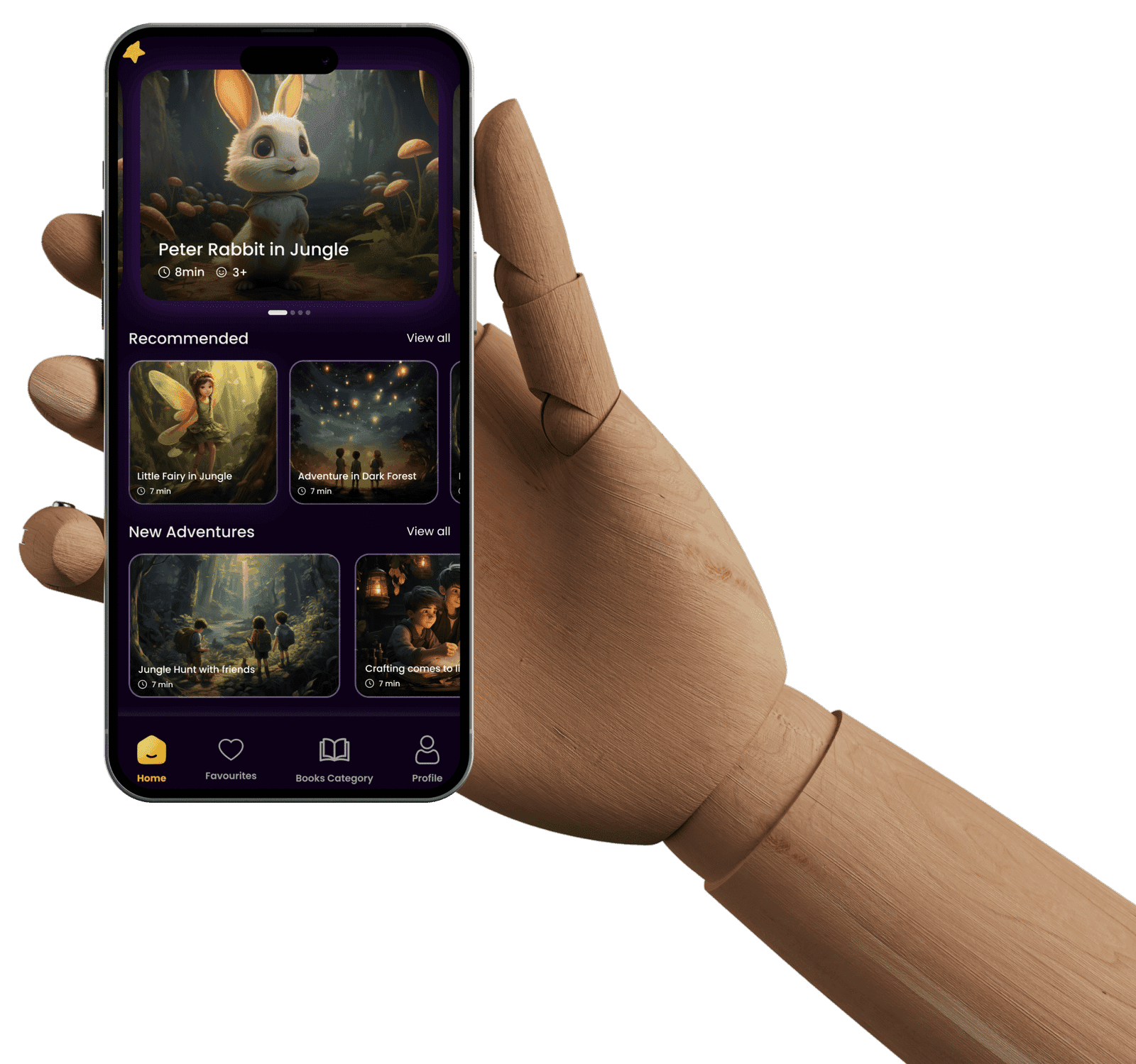
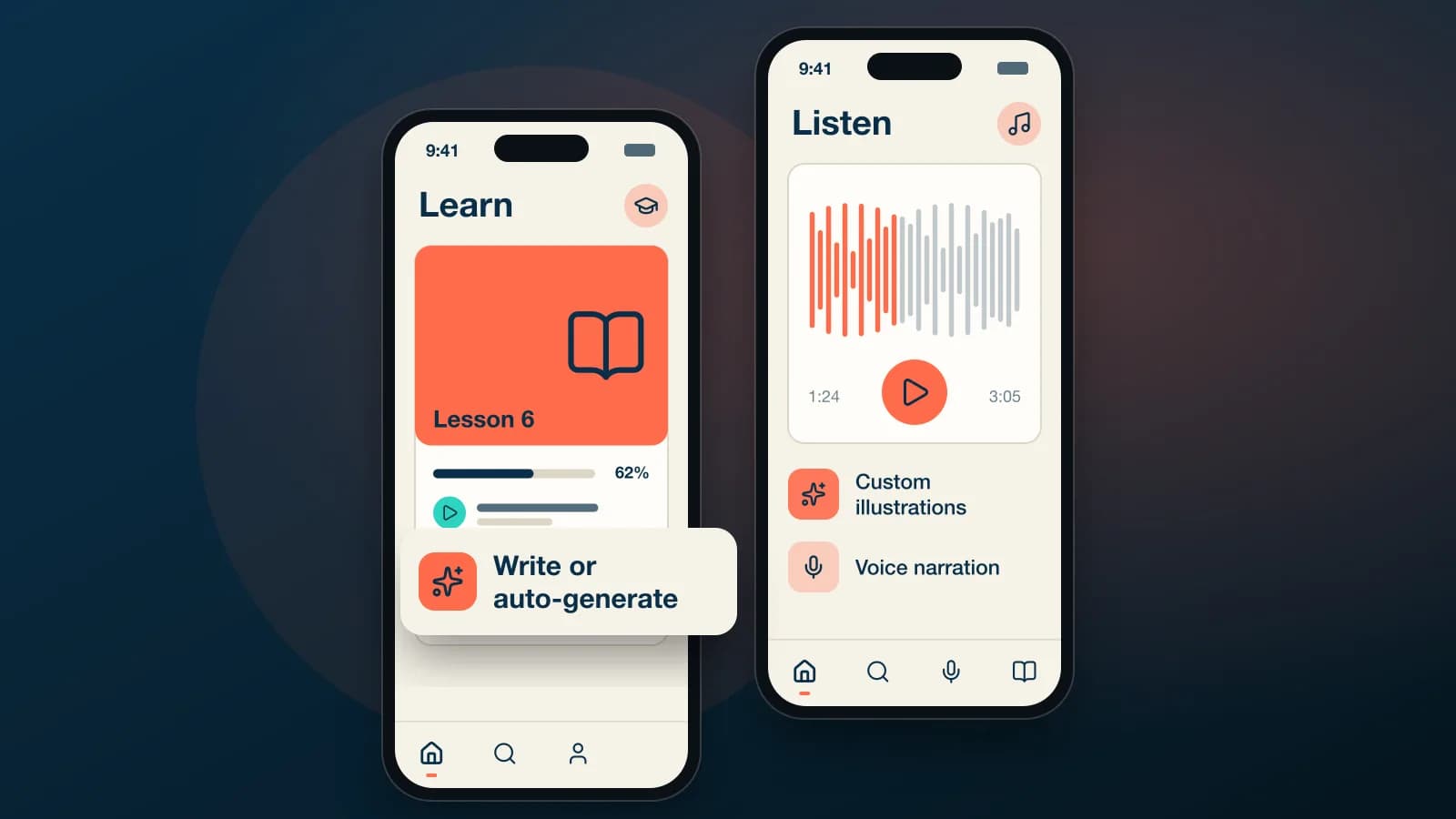
AI Broadcast Radio Automation: From Prompt to Live Radio Broadcast
One text prompt in. Broadcast-ready audio out written, voiced and delivered on air, hands-free.
Read the case study
Phone and voice assistants that answer calls, book appointments, qualify leads and hand over to people when they should.
Stack we work in
Figures as of Oct 2026
Trusted by
We build voice AI agents that answer and make phone calls, understand callers in natural speech and complete tasks such as booking appointments, qualifying leads and resolving common support requests.
Each agent combines speech-to-text, an LLM for reasoning, text-to-speech and your telephony, CRM and helpdesk systems, with clear rules for when a call goes to a person. We tune for low latency and natural turn-taking, and design call recording, consent and data handling in from the start.
Callers expect a quick, natural answer at any hour. Staffing every line for every peak is not realistic.
Peaks, lunch breaks and evenings leave callers waiting or hanging up, and those leads and bookings go elsewhere.
Bookings, status checks and simple questions take time that skilled staff could spend on complex cases.
Press-one menus cannot understand what callers say and send them round in loops.
Long pauses and agents that cannot be interrupted make callers ask for a person straight away.
Calls carry personal data, so recording, consent and retention must be handled correctly from day one.
Outcomes
The call types the agent handles, escalation rules, compliance wording and voice choice, agreed before the build.
An agent on your numbers or app that listens, reasons and speaks with low latency and interruption handling.
Connections to your phone system, CRM, calendar and helpdesk, with warm transfer to people.
Scripted test calls with expected outcomes, rerun before every change goes live.
Transcripts, summaries, call outcomes, transfers, latency and cost in one place.
Repositories, prompts, configuration and a runbook handed over to your team.
Book, move and cancel appointments by phone, checking live availability in your calendar or booking system.
Answer enquiry calls or call back web leads, ask qualifying questions and pass hot leads to sales.
Answer common questions, check order or account status and open tickets for anything that needs a person.
Greet callers, answer opening hours and location questions and route calls to the right person or team.
Take calls outside opening hours or when lines are busy, so no caller reaches a dead end.
Call customers with reminders, confirmations and surveys, and record their answers in your systems.
Built with
Built with
Streaming speech, barge-in handling and the OpenAI Realtime API keep responses natural, and we measure response time on every test call.
Inbound and outbound calls over Twilio, Vonage or SIP, with warm transfer to a human and call summaries written back to your CRM.
Consent prompts, scripted guardrails and personal data redaction in transcripts are part of the call design from the start.
An evaluation set of scripted test calls runs before launch and after each change, and call analytics show what callers actually asked.
Featured case study
One text prompt in. Broadcast-ready audio out written, voiced and delivered on air, hands-free.
Read the case studyWe listen to sample calls, map the most common call types and agree which tasks the agent handles and which go to a person.
You receive Call type map and agent scope
We design call flows, prompts, escalation rules and compliance wording, and choose the voice, languages and speech providers.
You receive Call flow design and voice selection
We build a working agent on a test number and run scripted and real test calls to measure accuracy, latency and caller experience.
You receive Working prototype and test call results
We connect the agent to your phone system, CRM, calendar and helpdesk, and set up transfers, recording and consent prompts.
You receive Integrated voice agent on your numbers
We route a share of real calls to the agent, review transcripts daily and tune prompts, vocabulary and transfer rules.
You receive Pilot report with call outcomes
We track containment, transfers, latency and cost, review failed calls and add new call types over time.
You receive Monitoring dashboards and improvement plan
Tech stack
AI and machine learning
Databases
Backend and APIs
Languages
Messaging and channels
Other tools
Next step
The same models and integrations can power text agents that complete multi-step tasks across your systems.
Cost depends on the number of call types, the systems the agent must connect to, languages, call volume and the level of testing needed. We usually start with a fixed-scope prototype on a test number, then estimate the production build. Running costs for speech, model and telephony usage are estimated per minute and can be capped. As a guide, a focused AI pilot usually costs $10,000 to $50,000, and a full custom AI build $40,000 to $150,000 or more (USD).
A prototype for one or two call types often takes a few weeks. A production agent with telephony, CRM and helpdesk integration typically takes a few weeks to a few months, depending on scope. We agree milestones after the call review.
We recommend that the agent says so at the start of the call, and we design it that way by default. Callers can ask for a person at any time, and the agent transfers them with a summary so they do not repeat themselves.
We stream audio through speech-to-text, the model and text-to-speech at the same time, choose fast models for each step and keep prompts short. Barge-in handling lets callers interrupt the agent, and the agent stops speaking and listens, as a person would.
Yes. We connect through providers such as Twilio or Vonage, SIP trunks or your contact center platform, and can keep your existing numbers. The agent can take all calls, overflow calls only, or calls outside opening hours.
Current speech models handle many languages and a wide range of accents. We test with recordings that match your callers, add custom vocabulary for names and product terms, and can switch language within a call where needed.
Callers hear a consent and recording notice, recordings and transcripts are encrypted and kept for a period you set, and personal data can be redacted from transcripts. We use enterprise speech and model services whose business terms do not use your data for training. Data handling is designed around GDPR and the local data protection rules that apply to you.
You own the code and IP we build for you, including call flows, prompts and integrations. Recordings, transcripts and analytics stay in accounts you control.
Yes. We work with your contact center, CRM and IT teams, use your existing tools and work in your repositories so your developers can maintain the agent.
We review failed and transferred calls, tune prompts and vocabulary, watch latency and cost and add new call types. This runs on a monthly support plan, or we hand over to your team with documentation and training.
Book a call, and we talk through the goal, the systems involved and any constraints under NDA. You then get a short written proposal with scope, timeline and estimate. We need the call types to cover, your phone provider details, a few recorded or transcribed calls, and the systems the agent must look up or update.
Book a free consultation. We will review your call types and suggest where a voice agent can start.