AI Video Analytics Book an audit

AI Video Analytics Development

Your cameras already saw it. Now make them understand it.

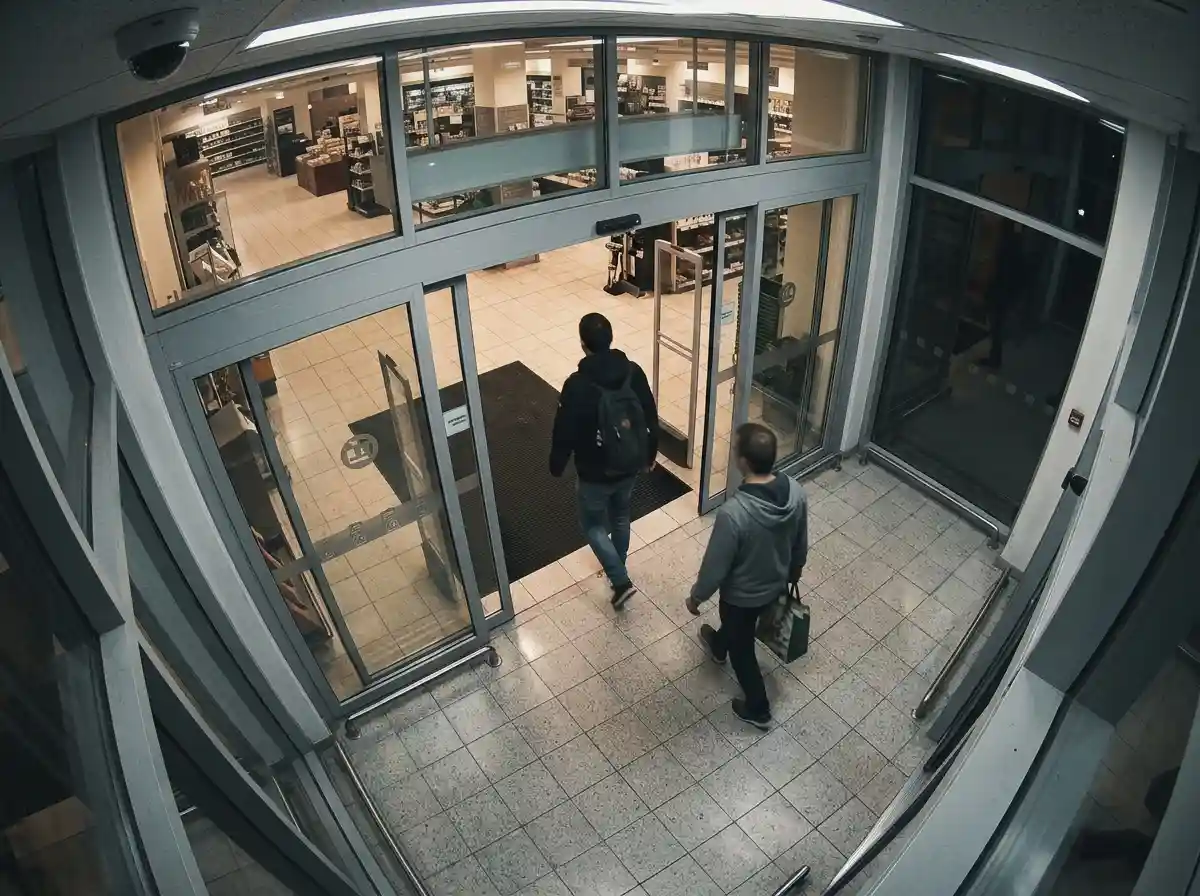
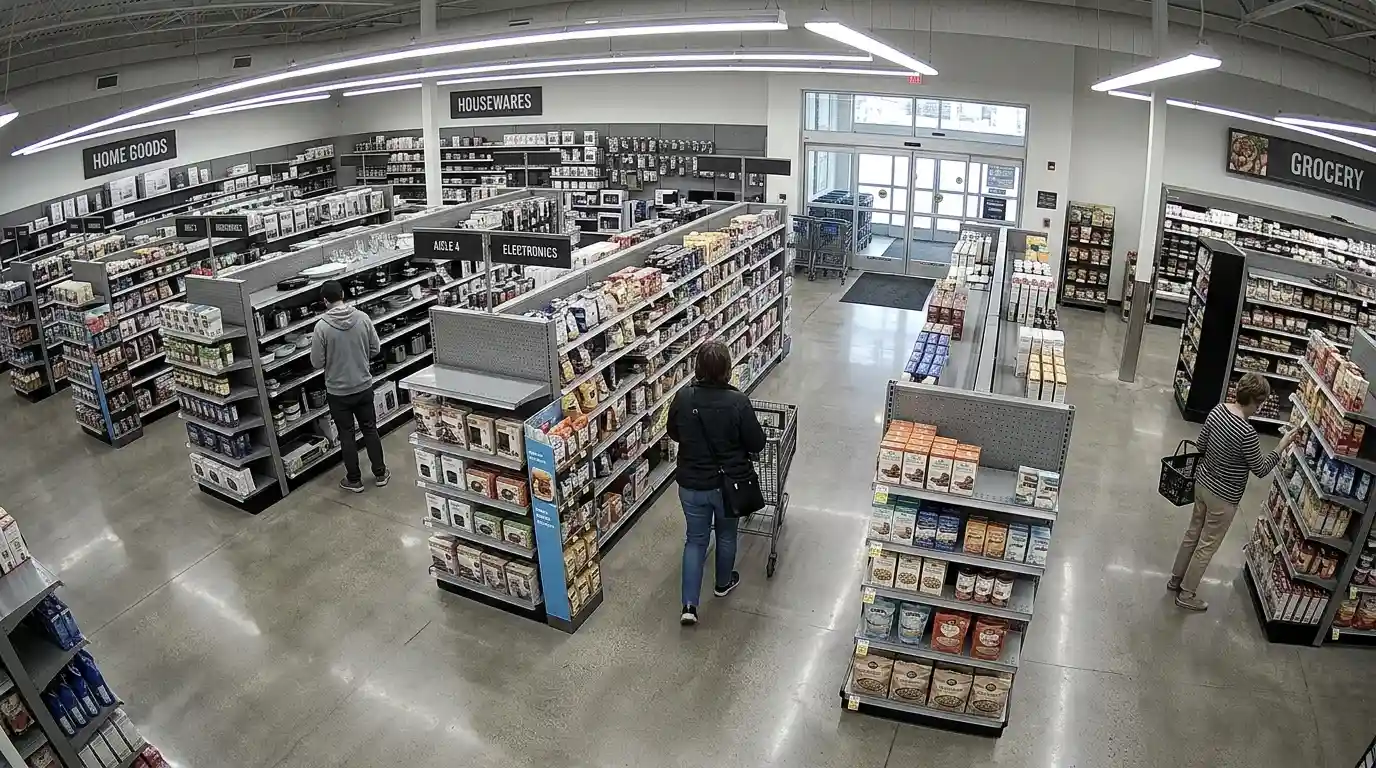
Every business already owns the sensor network it needs. CCTV records everything and tells you nothing — until someone reviews the footage, usually days after the loss. We build AI video analytics platforms on top of the cameras you already have, so theft, safety violations, bottlenecks and process failures raise an alert in seconds instead of surfacing in next quarter's shrink report.

60+Detection types
500+Theft patterns
30+Industries
CPU / GPUDeploy either way

The gap

Recording is not monitoring

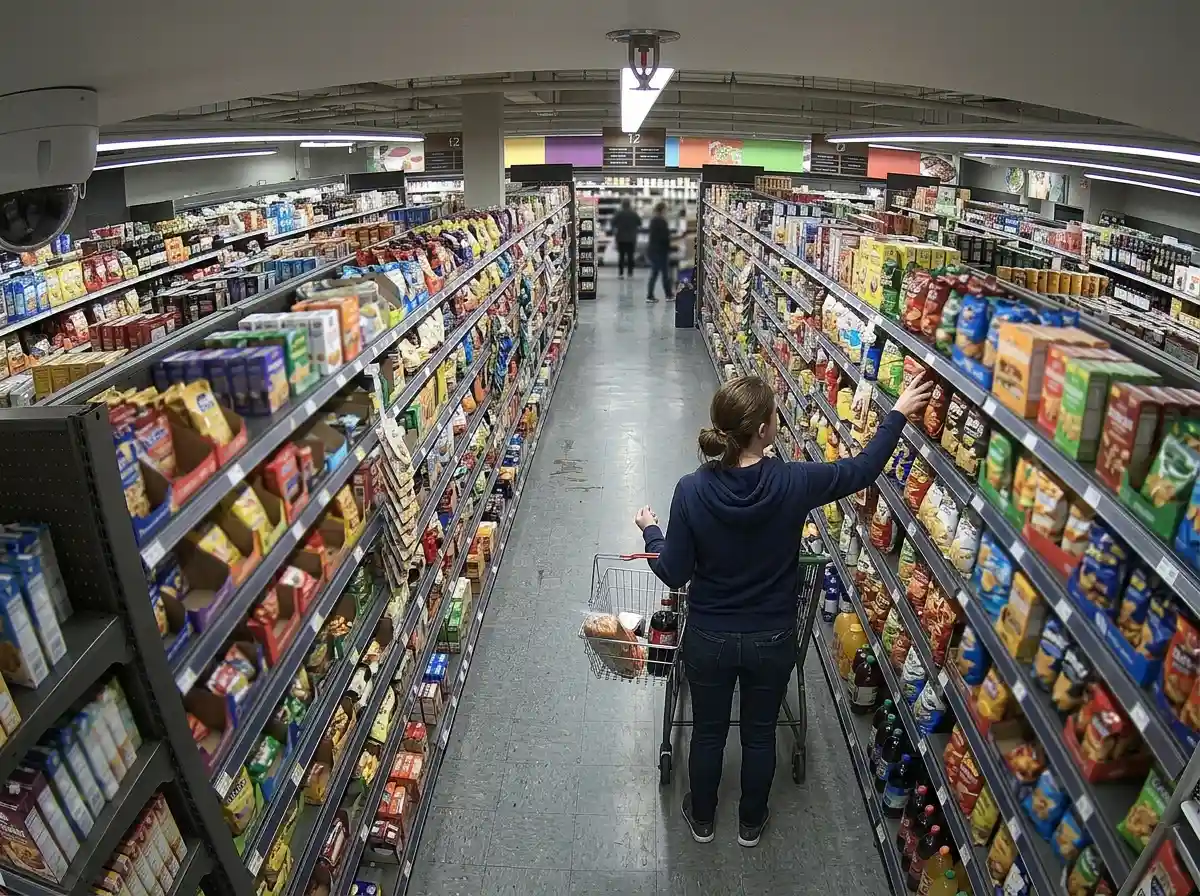
A typical site runs 16 to 64 cameras. A human can meaningfully watch about four. The rest is storage — evidence you collect after the money is already gone. Meanwhile the same footage holds every answer you are paying consultants to estimate: why the queue backed up at 6pm, which shelf sat empty for three hours, who was standing in the restricted zone, how long the line actually takes at peak.

$90B

Lost by US retailers to inventory shrink in 2025, with roughly $66B of it considered preventable.

Appriss Retail, 2026 benchmark
+18%

Year-on-year rise in average shoplifting incidents per retailer, alongside a 52% jump in organised in-store theft.

NRF, Retail Theft & Violence 2025
$1.3M

Average employer cost of a single workplace fatality. A medically consulted injury averages $44,000.

National Safety Council
<12 mo

Payback period reported by roughly 85% of enterprises deploying AI video analytics.

Industry ROI benchmarks, 2026

How it works

A complete camera intelligence platform, not a box of models

Anyone can run a detector on a video file. The hard part is everything around it: ingesting dozens of streams reliably, calibrating each camera to its premises, suppressing false alarms until operators trust the system, storing the clip that proves the event, and putting it in front of a manager who has thirty seconds to act. That whole chain is the deliverable.

01 / INGEST

Connect existing cameras

RTSP, ONVIF, NVR, DVR, HTTP and cloud camera streams. No rip-and-replace, no proprietary hardware.

02 / CALIBRATE

Tune to the premises

Angle, height, lens distortion, real-world scale, lighting, and the zones that carry business meaning.

03 / INFER

Detect, track, classify

Detection, multi-object tracking, pose, behaviour classification and re-identification across cameras.

04 / DECIDE

Rules, thresholds, evidence

Events confirmed over time, scored for confidence, correlated with POS or HRMS, and clipped for proof.

05 / ACT

Alert and analyse

Push, SMS, email or webhook in seconds, plus dashboards, trends and AI-written incident summaries.

Figure 01End-to-end signal path
POS · ERP · HRMS · ACCESS transaction data CAMERAS IP · NVR · DVR RTSP / ONVIF any make, any age INFERENCE NODE decode · detect · track pose · behaviour · re-ID RTX GPU or Core i7 DECISION ENGINE zones · thresholds temporal confirmation data correlation EVENT STORE metadata · index evidence clip audit log RTSP · 30 FPS boxes + scores confirmed events MODEL TUNING scheduled retraining DASHBOARD trends · rollups · export ALERTS push · SMS · webhook corrections retrained weights
Blue is the live signal path — frames in, confirmed events out, typically inside two seconds. The dashed return path is what keeps the system accurate: operators mark false positives in the dashboard, those corrections feed scheduled retraining, and the updated model goes back to the inference node. Note that the decision engine takes a second input. Without transaction data from POS or HRMS, a camera can see a person leave with an item but cannot know whether they paid for it.

What the AI actually sees

Six primitives. Everything else is a combination of them.

This is the honest version of "AI". There is no single model that understands your business. There are a handful of geometric and temporal measurements running on every frame, and the rules you wrap around them are what turn a measurement into "someone is stealing" or "the queue is too long".

person 0.96
Detectionwhat is in frame, and how sure
IN 42 · OUT 38
Line crossingdirection and count over time
04:12 DWELL ZONE
Zone & dwellwho is where, and for how long
fall 0.88
Pose estimationbody position, not just presence
ID 07
Tracking & re-IDthe same person across cameras
DWELL DENSITY · 09:00–21:00
Density & heatmapwhere attention actually goes

What lands on your screen

An alert a manager can act on in thirty seconds

A detection is not an outcome. What matters is what reaches the person who can do something about it: what happened, where, the clip that proves it, what it cost, and what to do next — without opening a separate video system to go looking.

● High severity · Loss prevention 14 Aug · 11:42:07 Illustrative
CAM 04 · AISLE 4 shoplifting 0.87 00:14 clip

Concealment pattern detected at aisle 4

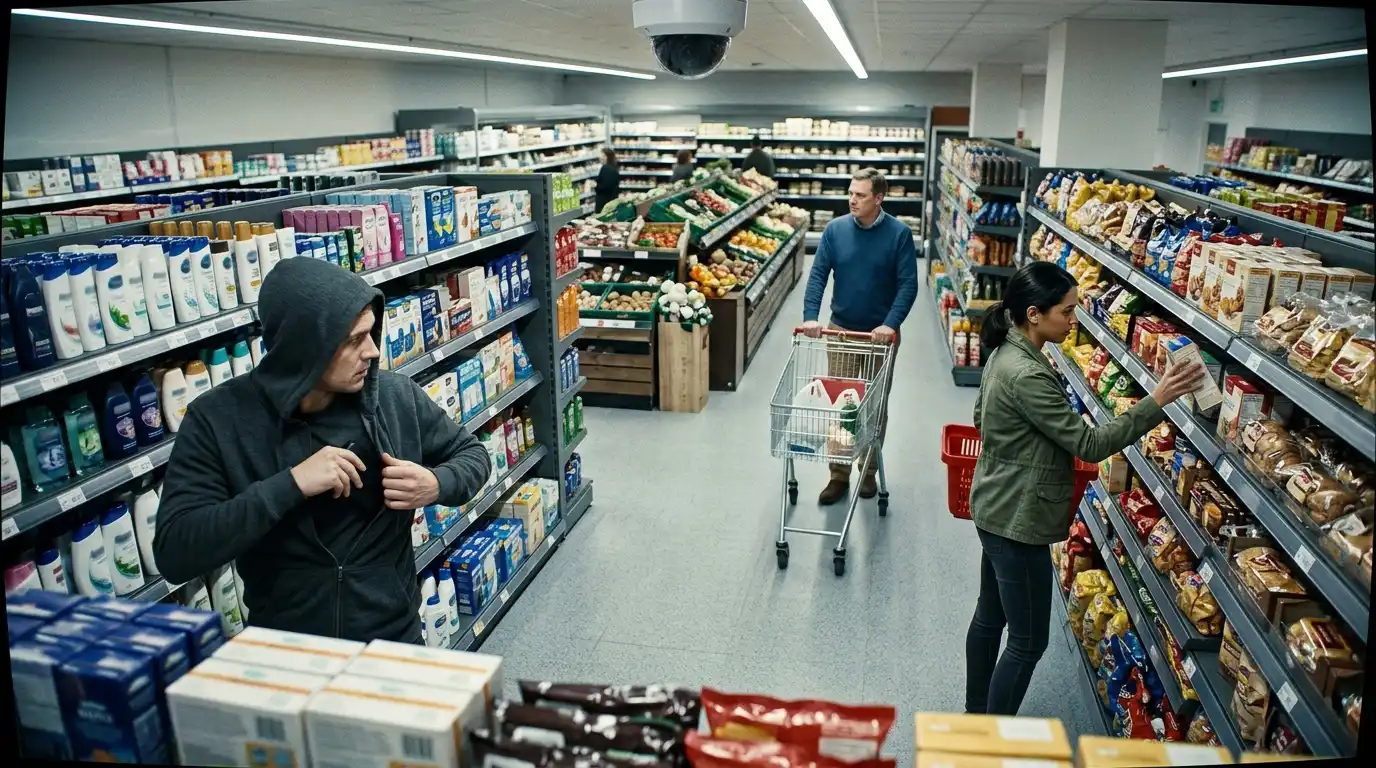
A tracked shopper removed three items from the shelf and placed them inside a backpack rather than a basket, then moved toward the exit without approaching a till. Behaviour matched concealment pattern group 12 across nine consecutive frames.

Where
Store 118 · Camera 04 · Aisle 4
Confidence
0.87, confirmed over 9 frames
POS check
No matching transaction in the 4 minutes since
Est. impact
$46.20 across 3 items
Recommended
Send floor staff to the exit; keep receipt check non-confrontational
View clipAssignMark false positive
Dashboard tiles — metrics you chooseIllustrative
Theft incidents · 7d 7▼ 38%
Avg queue wait 1:42▼ 21%
PPE compliance 94.2%▲ 6 pts
Open safety events 3▲ 2
Alert routing — who gets told, and how
  • Theft or concealmentpush + SMS → store manager, LPimmediate
  • Fire or smokeSMS + webhook → site, fire panelimmediate
  • PPE violationpush → shift supervisorimmediate
  • Queue over targetpush → duty manager60s sustained
  • Restricted-zone entrypush + siren relay → securityimmediate
  • Shift & loss summaryemail → regional managerdaily 07:00

Capability catalogue

Everything a camera can be taught to watch for

All of it reduces to a small set of underlying primitives — detection, tracking, pose, zones, timers, re-identification and data fusion. That is why a platform already doing one of these can usually be extended to another in weeks rather than quarters, and why the list below is a starting point rather than a ceiling.

Loss prevention

  • Shoplifting and concealment, 500+ patterns
  • Employee theft and sweethearting
  • Goods leaving without payment
  • Till and cash-register anomalies
  • Refund and return-counter fraud
  • Repeat-offender re-identification
  • After-hours and out-of-schedule activity
  • Stockroom and back-door movement
  • Fuel drive-off at forecourts
  • Scan avoidance at self-checkout

Safety & compliance

  • PPE: helmet, vest, gloves, goggles, mask, boots
  • Fire, smoke and flame at ignition
  • Slip, trip and fall detection
  • Blocked emergency exits and fire lanes
  • Restricted and hazardous zone entry
  • Man-down and lone-worker monitoring
  • Forklift and pedestrian proximity
  • Machine guarding and interlock bypass
  • Spill, leak and obstruction detection
  • Working-at-height harness compliance
  • Overcrowding and occupancy limits

Workforce & productivity

  • Clock-in and clock-out verification
  • Late arrival and early departure
  • Absence from assigned workstation
  • Idle time and unauthorised break length
  • Excessive phone use on the floor
  • Uniform and grooming compliance
  • Task duration and cycle time
  • Per-person performance scoring
  • Shift and site productivity trends
  • Contractor and visitor movement audit

Customer experience

  • Footfall counting, entry and exit
  • Queue length and live wait time
  • Abandonment: leaving unserved
  • Dwell time by aisle or department
  • Movement heatmaps and path analysis
  • Conversion: visitors versus transactions
  • Peak-hour and staffing-gap analysis
  • Anonymous demographic bands
  • Service-desk interaction duration
  • Group versus individual visit patterns

Operations & process

  • Empty shelf and planogram deviation
  • Low-stock and facing-gap alerts
  • Kitchen ticket and prep-time measurement
  • Drive-thru lane and window timing
  • Order handover verification
  • Food held beyond safe time
  • Dock, bay and truck turnaround
  • Loading and palletising verification
  • Assembly step and sequence compliance
  • Housekeeping and cleaning verification

Security & access

  • Perimeter breach and line crossing
  • Tailgating and piggybacking at doors
  • Unauthorised vehicles, ANPR / LPR
  • Loitering and abandoned objects
  • Physical fights and aggression
  • Weapon-presence detection
  • Crowd surge and stampede risk
  • Camera tamper, blur and blackout
  • Door-held-open and forced entry

Quality & asset

  • Visual defect and surface inspection
  • Packaging, label and seal verification
  • Fill-level and count verification
  • Colour, shape and grading checks
  • Asset presence and removal tracking
  • Tool and equipment accountability
  • Container and pallet condition
  • Corrosion and leak visual inspection

Intelligence layer

  • Plain-language incident summaries
  • What happened, when, and who was involved
  • Estimated financial impact per incident
  • Recommended action per alert
  • Daily, weekly and monthly rollups
  • Multi-site benchmarking and scoring
  • Anomaly and pattern-over-time detection
  • Natural-language search across footage
  • Exportable audit and evidence packs

Industries

Wherever cameras are already watching, there is value being missed

The underlying primitives are shared across every sector. The value is entirely specific to yours. These are the environments we scope most often, with the use cases that typically justify the first pilot.

Retail & consumer

Shrink, footfall, merchandising

Convenience & forecourt

High-frequency, low-value theft against margins that shrink erases fast.

concealment · drive-off · till anomaly

Supermarkets & grocery

Shrink control and merchandising intelligence from the same cameras.

self-checkout · empty shelf · queue

Apparel & department

High-value concealment plus fitting-room and floor conversion data.

tag tamper · dwell · conversion

Pharmacy & healthcare retail

Controlled-stock accountability and counter security.

restricted stock · queue · access

Smoke shops & cannabis

High-theft categories under strict regulatory audit requirements.

concealment · age check · vault access

Malls & duty-free

Tenant footfall reporting and shared-space crowd safety.

footfall · heatmaps · crowd density

Food service

Speed, accuracy, hygiene

QSR & fast food

Speed of service is the product, and every second is measurable.

prep time · handover · queue

Drive-thru

Lane and window timing that POS timestamps alone cannot explain.

lane time · window · ANPR

Casual & fine dining

Table turn, server coverage and front-of-house responsiveness.

table turn · wait time · coverage

Cloud kitchens

Multi-brand throughput and courier handover accuracy.

ticket time · courier pickup · mix-ups

Food processing

Hygiene discipline and line compliance under audit pressure.

hairnet / glove · zone · foreign object

Catering & canteens

Peak-load staffing and food-holding-time control.

hold time · footfall · hygiene

Industrial & energy

Safety-critical environments

Manufacturing

Safety compliance and cycle-time visibility without instrumenting the line.

PPE · guarding · cycle time · defects

Oil, gas & petrochemical

Consequences are catastrophic, so leading indicators beat logbooks.

PPE · restricted zone · flare / smoke

Mining & quarrying

Vehicle and pedestrian interaction is the dominant fatality mechanism.

proximity · fatigue · haul route

Chemicals & pharma

Gowning and procedural compliance where audits are mandatory.

gowning · zone discipline · batch step

Power & utilities

Remote unmanned assets with high intrusion and failure cost.

perimeter · thermal · lone worker

Shipyards & heavy fabrication

Large open sites where fixed sensors cannot practically cover the work.

height work · hot work · exclusion

Movement & storage

Throughput and dwell

Warehouse & distribution

Dock congestion and forklift risk are the two costliest blind spots.

dock turnaround · forklift · load verify

3PL & fulfilment

Client-level SLA evidence and pick-accuracy verification.

pick verify · SLA proof · damage

Cold chain

Door-open duration and handling compliance on temperature-critical stock.

door dwell · handling · zone time

Ports & terminals

Container movement, yard congestion and restricted quay access.

container ID · yard flow · access

Rail & transit hubs

Platform-edge safety and passenger crowd management.

platform edge · crowd · loitering

Airports & cargo

Apron safety, queue prediction and restricted-zone integrity.

apron PPE · queue · perimeter

Fleet depots

Yard movement, fuel accountability and pre-trip check verification.

ANPR · fuel · pre-trip check

Public & institutional

Duty of care and throughput

Hospitals & clinics

Patient safety events and ward flow, with anonymous tracking by default.

patient fall · wandering · hand hygiene

Aged & residential care

Fall detection and night-time wellbeing checks without intrusive wearables.

fall · bed exit · wandering

Education & training

Objective attendance and engagement data, session by session.

attendance · attentiveness · access

Banking & branches

Branch security and queue economics in a single deployment.

ATM tamper · queue · tailgating

Government & civic

Public-building access control and service-counter throughput.

access · queue · abandoned object

Stadiums & venues

Crowd density, gate throughput and incident response time.

crowd surge · gate flow · fights

Property & leisure

Experience, access, standards

Hotels & hospitality

Guest experience metrics that no satisfaction survey captures accurately.

lobby queue · back of house · access

Casinos & gaming

Table integrity, exclusion-list enforcement and floor flow.

table watch · exclusion · crowd

Gyms & fitness

Occupancy, equipment utilisation and unattended-member safety.

occupancy · equipment use · fall

Construction sites

Sites change daily; fixed sensors cannot keep up, but cameras can be re-zoned.

PPE · fall risk · exclusion · headcount

Residential & commercial towers

Lobby access integrity and common-area incident detection.

tailgating · loitering · parcel theft

Data centres

Critical infrastructure where unescorted access is the primary risk.

tailgating · rack access · thermal

Agriculture & livestock

Counting, condition and intrusion across areas too large to staff.

livestock count · intrusion · grading

Franchise networks

One dashboard proving brand standards are actually followed at every location.

multi-site scoring · audits · benchmarks

Proven in production

Four systems already built and running on live footage

These are working deployments, not concept renders. Each started as a single-camera pilot on the client's own site and was tuned against their own footage before rollout. They are evidence of the method, not the limit of it.

Retail & Convenience In production

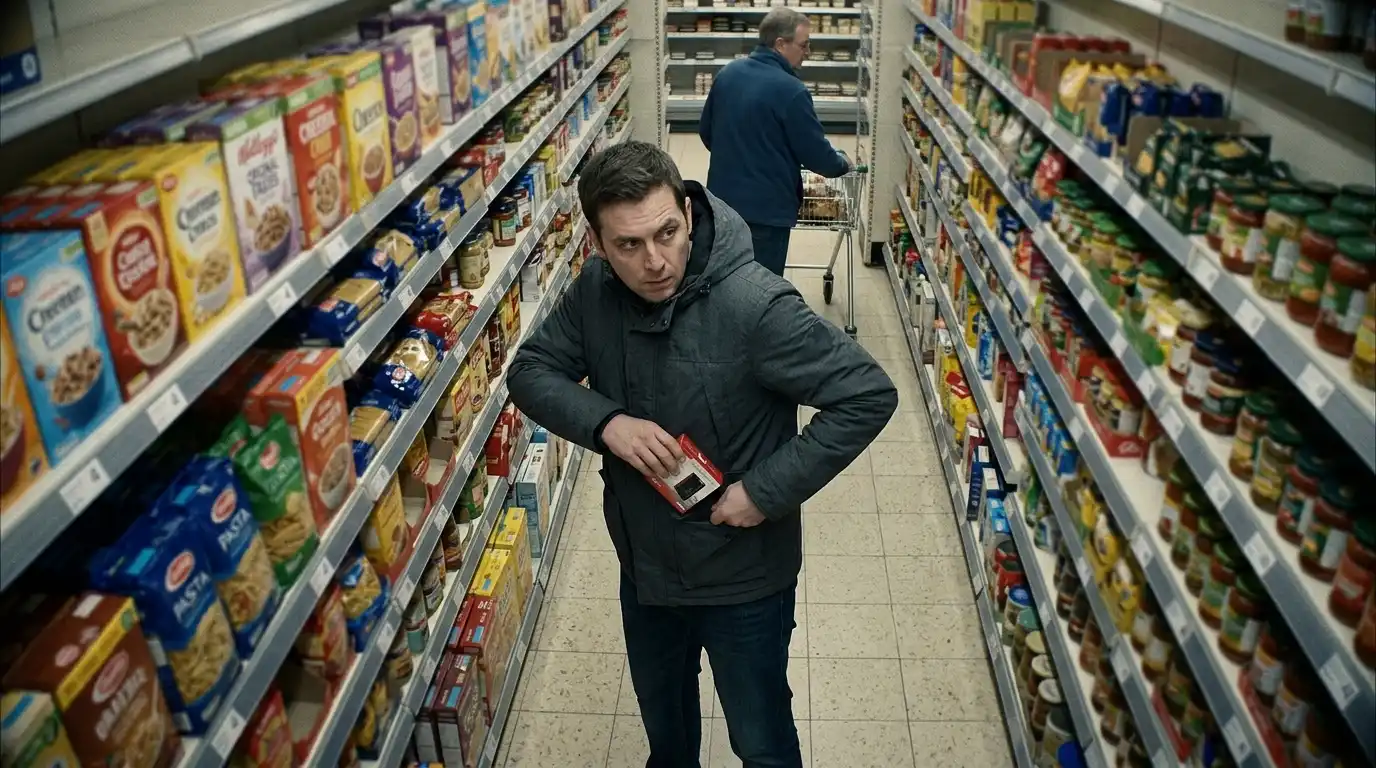
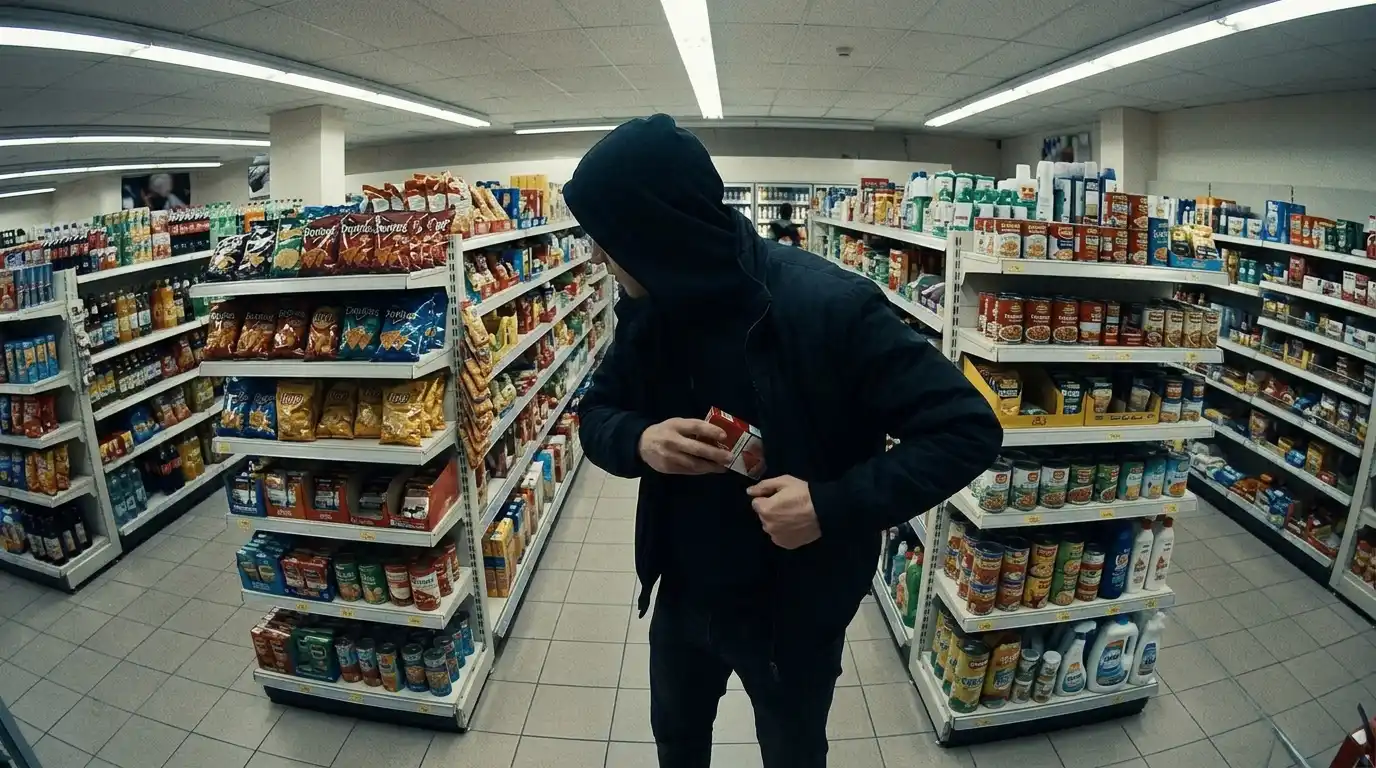
Shoplifting and concealment detection across 500+ behaviour patterns

The problem
Stores lose margin to concealment that staff never see and that footage only reveals during a post-incident audit — long after the stock and the offender are gone.
What we built
A per-person behaviour classifier running over a live inference stream. Every tracked shopper carries a rolling state and a confidence score. Normal browsing stays green; concealment, bag-stuffing, tag tampering and group-shielding escalate to a red alert with the clip attached.
Why it holds up
The engine recognises more than 500 distinct patterns rather than one generic "suspicious" signal, so thresholds can be tuned per store instead of drowning the manager in noise.
500+ patterns per-person confidence live RTSP inference auto clip capture
Oil, Gas & Heavy Industry In production

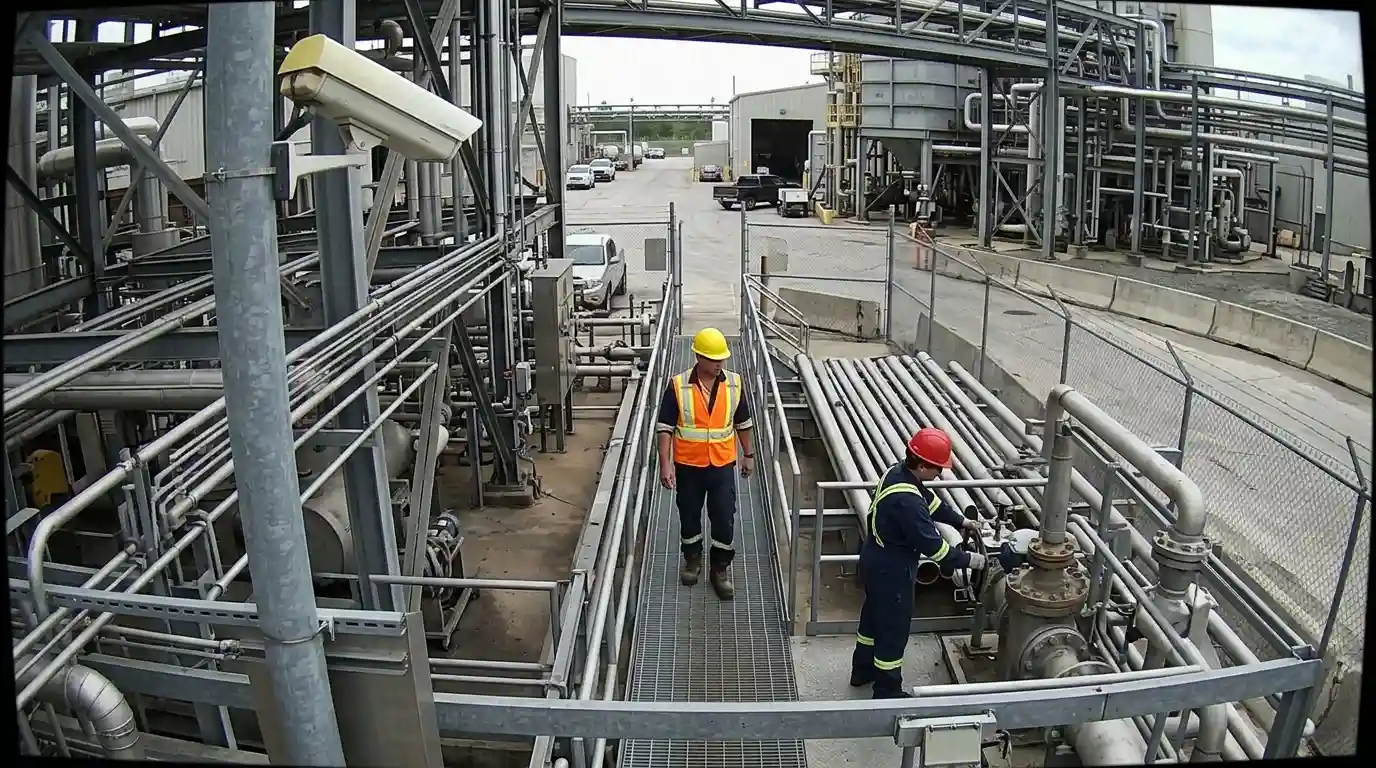
PPE compliance monitoring on a live process site

The problem
Safety officers cannot stand at every gate and gantry. PPE breaches get logged after a near-miss, which makes compliance a lagging indicator instead of a control.
What we built
Continuous detection across process-area cameras. Each worker is detected and checked for helmet and high-visibility vest with a confidence score per item. Violations fire immediately to the supervisor and accumulate into a per-shift, per-zone compliance record.
Why it holds up
Detection runs against real site conditions — glare, backlight, distance, orange-on-rust colour clash — because it was tuned on the client's own camera angles rather than a clean public dataset.
helmet + vest zone-level scoring shift compliance log instant escalation
Yards, Plants & Warehousing In production

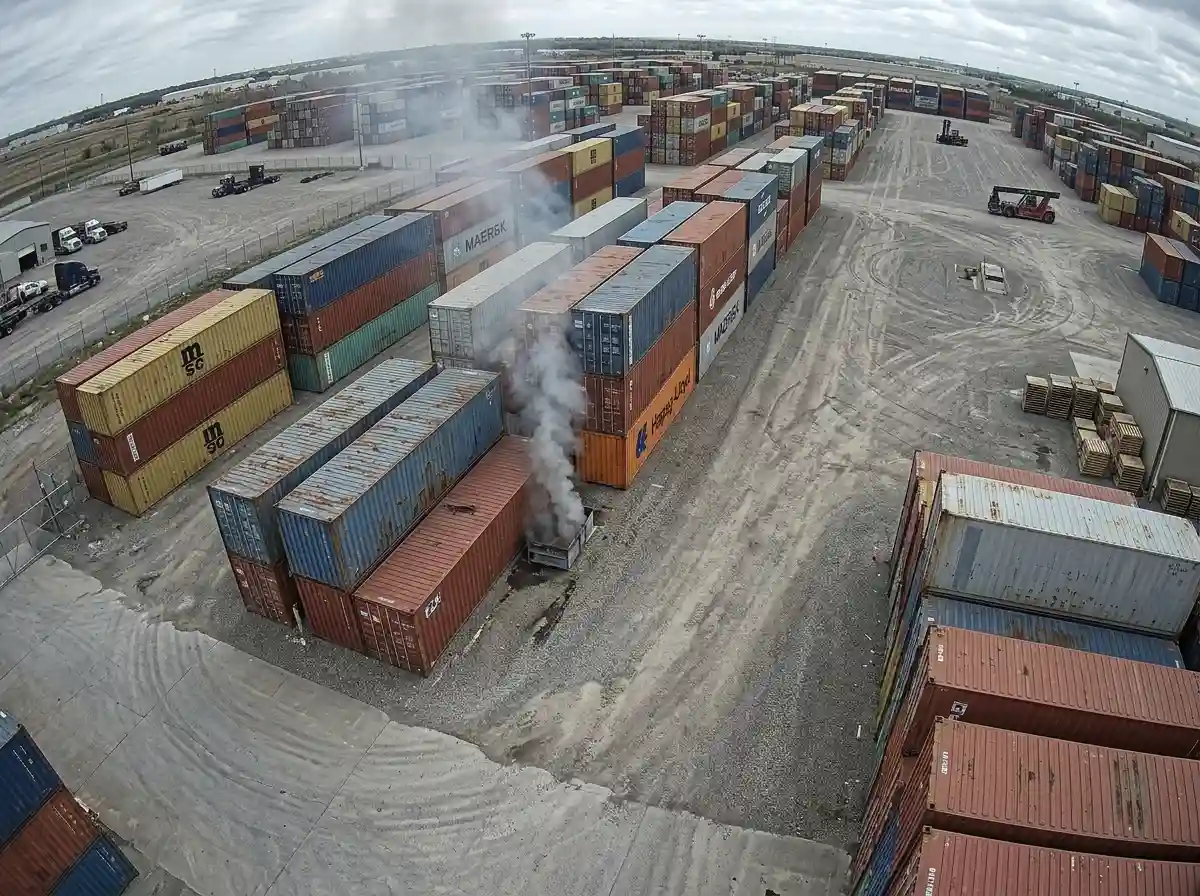
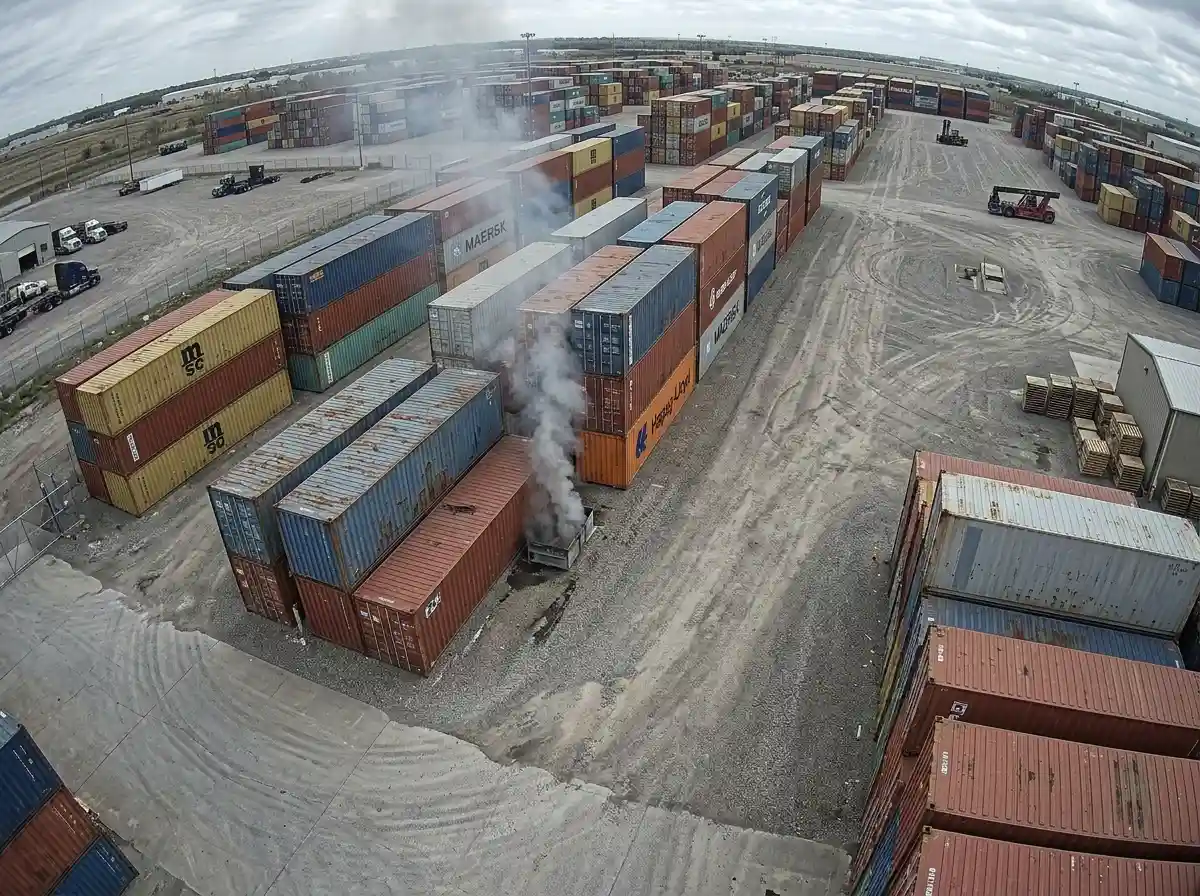
Fire and smoke detection before a conventional alarm can trigger

The problem
Point detectors need smoke to physically reach a sensor. In open yards, high-ceiling warehouses and timber or waste storage that can be several minutes into a fire — or never, outdoors.
What we built
A visual smoke and flame detector running on existing yard cameras at full frame rate, flagging plume formation at the point of ignition and raising a located alert with camera, zone and timestamp.
Why it holds up
The model sustains approximately 30 FPS per stream on GPU, so detection is continuous rather than sampled — and it covers wide outdoor areas where physical detectors cannot be deployed at all.
~30 FPS / stream outdoor capable zone-located alerts no new sensors
Education & Training In production

Classroom engagement analytics for a competitive-exam institute

The problem
An institute running parallel exam-prep batches had no objective read on which sessions, subjects or teaching methods actually held attention — only end-of-term results, far too late to intervene.
What we built
A full analytics product: site, course, subject, class, teacher, student and session hierarchy with each classroom mapped to a camera. Every session yields attendance, minutes actually present, a per-student attentiveness score, a dominant state across nine emotional categories, and an engaged / partially engaged / disengaged status — rolled up to subject and course dashboards with AI-written teaching recommendations.
Why it matters beyond education
This is the same engine that powers workforce analytics. Rename student to employee, class to workstation and session to shift, and you have attendance, late arrival, time-on-task, idle detection and productivity scoring — already built and proven.
42 students / session 105 min sessions 9 emotion states 72.67% engagement timeline scrubbing

Where it runs

One site or a thousand, in any regulatory regime

The architecture changes with the shape of your estate, not with the industry. These are the four patterns almost every deployment falls into.

Pattern 01

Single high-density site

A factory, warehouse, hospital or campus with dozens of cameras in one building. Inference runs on a local server; nothing leaves the network. Bandwidth is a non-issue and detection survives an internet outage.

Pattern 02

Multi-site estate

Ten to a thousand locations with a handful of cameras each. A small edge node per site handles inference; only events, metadata and short clips reach the central cloud dashboard. Regional managers compare sites on one screen.

Pattern 03

Franchise & multi-tenant

Independent operators under one brand. Full tenant isolation, per-tenant branding and billing, franchisor-level benchmarking across the network, and permission boundaries so no franchisee sees another's data.

Pattern 04

Distributed & remote assets

Substations, towers, pipelines, farms and unmanned yards on intermittent connectivity. Detection runs fully offline at the edge and syncs opportunistically when a link returns.

Compliance

Data residency by design

Where footage may not leave a country or a building, inference stays local and only derived metadata crosses a border. Retention windows, encryption and audit logging are configured per region rather than assumed.

Compliance

Biometric law, handled early

Several jurisdictions restrict or prohibit face recognition and workplace inference. We scope identity features against the law where you operate before design starts, and default to anonymous tracking wherever it will do the job.

Site 118 · 8 of 64 cameras shown · all streams analysed continuously ● 2 active alerts Illustrative
CAM 01 · ENTRANCENORMALperson 0.96person 0.91
CAM 04 · AISLE 4ALERTshoplifting 0.87
CAM 07 · TILL 2NORMALqueue 3
CAM 11 · DOCK BWARNINGno_helmet 0.79
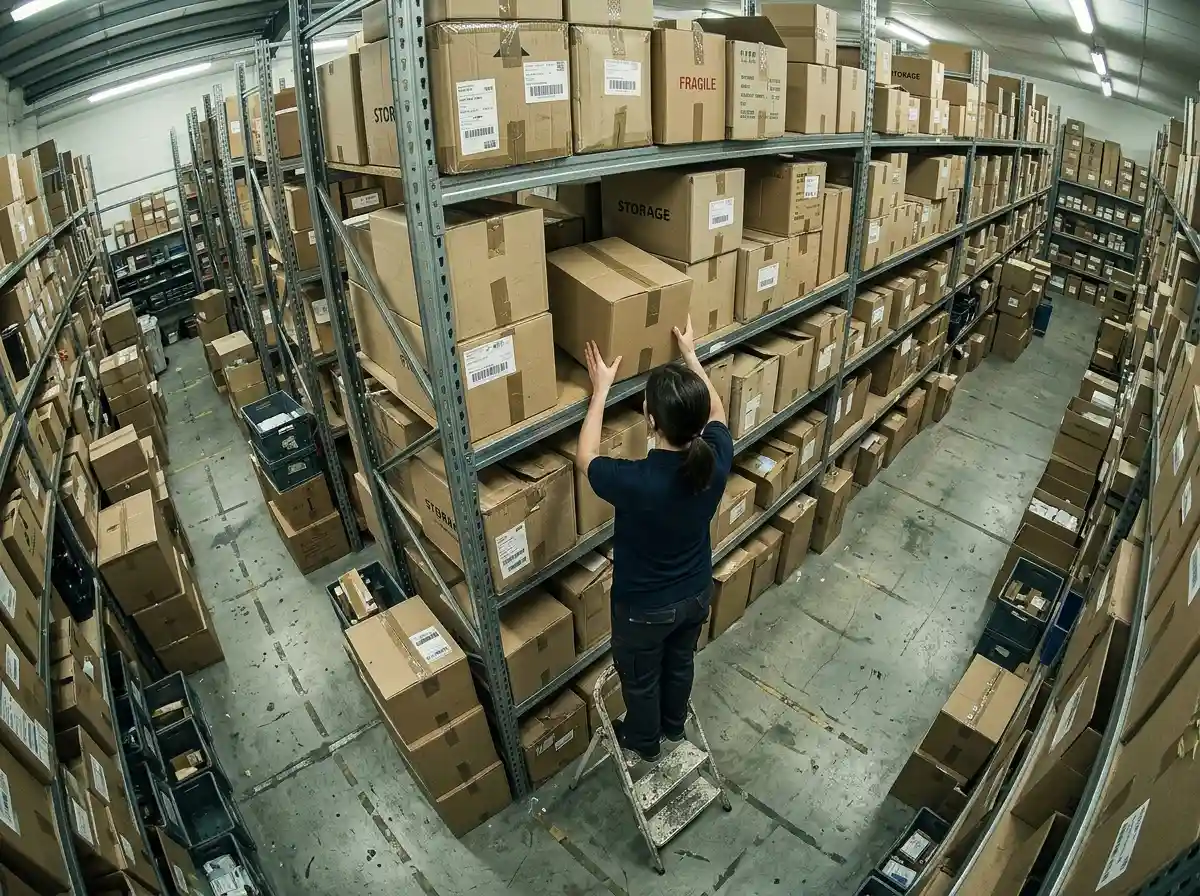
CAM 15 · STOCKROOMNORMALstaff 0.93
CAM 22 · YARDALERTsmoke 0.83
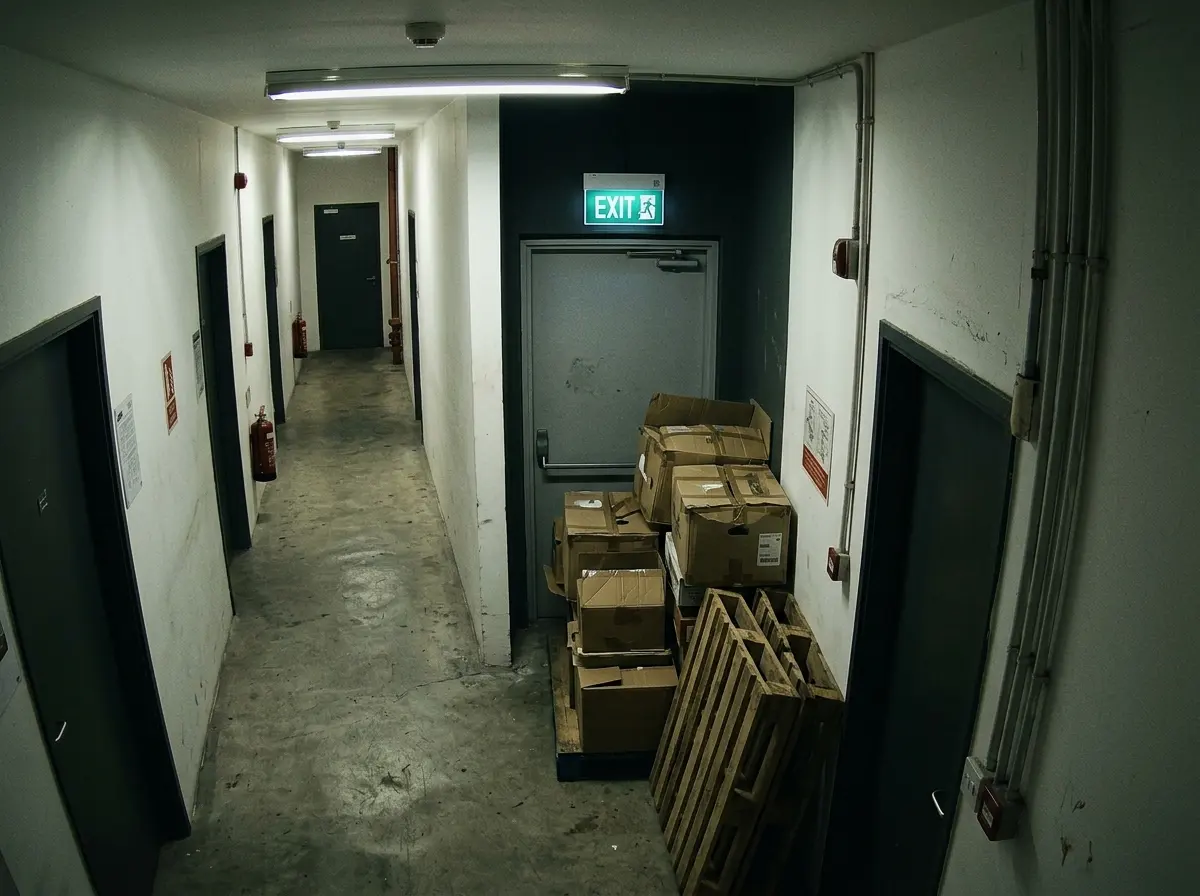
CAM 28 · FIRE EXITWARNINGexit_blocked 0.71
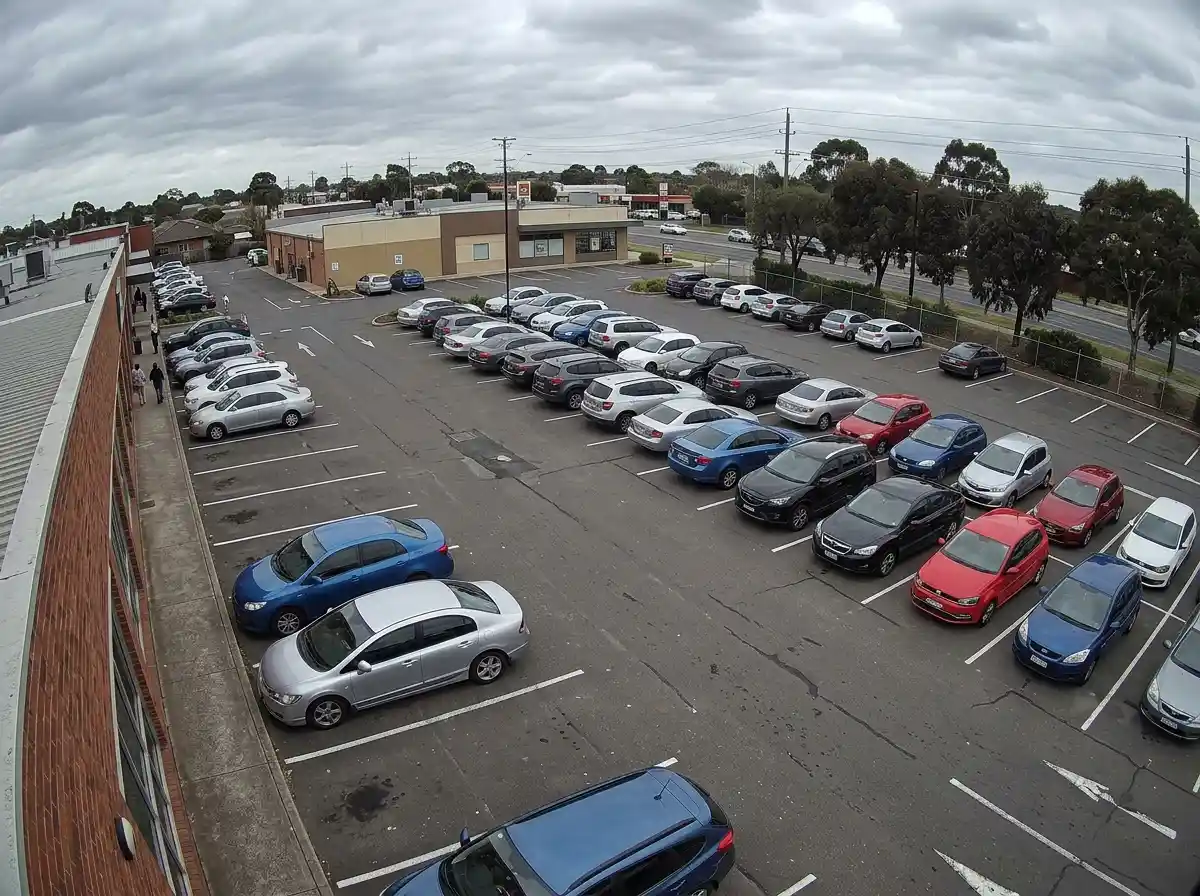
CAM 33 · CAR PARKNORMALvehicle 0.94

How we deliver

Six stages, in this order, for a reason

Most failed video analytics projects skipped stage two. Calibration is not setup overhead — it is the single largest determinant of whether your team still trusts the alerts six months in.

STAGE 01

Feasibility audit

We review your camera inventory, sample footage, network and target use cases, then tell you plainly which detections your current angles can support, which need a camera moved, and what hardware the workload requires. Free, and delivered as a written assessment you keep either way.

STAGE 02

Camera calibration & site survey

Each camera is calibrated to its premises: mounting height and angle, lens distortion, real-world scale so distances and speeds are meaningful, lighting and glare across the day, and the business zones that give events meaning — tills, entrances, shelves, workstations, exclusion areas, queues. Calibration is per site, per camera and per use case. It does not transfer, and it is where accuracy is won or lost.

STAGE 03

Model selection & tuning

We start from proven detection and tracking backbones, then fine-tune on your footage — your lighting, your uniforms, your camera heights. Thresholds are set against your tolerance for false positives, not against a benchmark score.

STAGE 04

Single-site pilot

One location, a defined detection set, real alerts reaching real people, typically four to eight weeks. You get measured precision and recall on your own site before anyone signs a rollout.

STAGE 05

Platform build & rollout

Dashboards, mobile apps, role-based access, multi-site and multi-tenant structure, alert routing, clip storage, audit logs, integrations and billing. Then site-by-site rollout using a repeatable calibration playbook.

STAGE 06

Continuous tuning

Operators mark false positives in the dashboard and those corrections feed scheduled retraining. Seasons change, layouts change, uniforms change — the system is maintained against drift rather than left to decay.

Figure 02What calibration produces — example profile for one camera
SHELF ZONE RESTRICTED staff only 24/7 ENTRY LINE counts in / out QUEUE AREA target wait 02:00 TILL ZONE POS correlated 2026-08-14 THU 11:42:07 CAM 04 CALIBRATION PROFILE MOUNT HEIGHT3.2 m TILT ANGLE34° LENS2.8 mm DISTORTIONcorrected GROUND SCALE1 px ≈ 2.1 cm ZONES DEFINED5 ACTIVE HOURS06:00 – 23:00 LIGHTING PROFILEday / dusk / IR Per camera. Per site. Per use case. Nothing here transfers to the next camera.
The model is the same everywhere; this profile is not. Ground scale is what lets the system say "waited 4 minutes" instead of "was near the counter", and zones are what separate a person standing by a till from a person standing in a restricted bay. Skip this stage and every downstream number is a guess — which is why uncalibrated rollouts are the most common cause of alert fatigue.

Deployment & hardware

On-premise, cloud or hybrid — and exactly what it runs on

There is no universally correct answer here, only a correct answer for your camera count, upload bandwidth, data residency rules and number of sites. We size it during the audit so you buy what you need and nothing more.

ON SITE CLOUD site boundary CAMERAS GPU SERVER DASHBOARD no video leaves the LAN
On-premisevideo never crosses · survives outages
ON SITE CLOUD site boundary CAMERAS full video 24 / 7 GPU + DASHBOARD
Cloudno server to run · heavy bandwidth cost
ON SITE CLOUD site boundary CAMERAS EDGE GPU events + clips DASHBOARD
Hybrid — most commonlocal inference · central visibility
Deployment model comparison
Factor On-premise server Cloud server Hybrid (most common)
Best forSingle large sites, 16–200+ cameras, strict data residencyMulti-site and franchise networks, few cameras per siteMulti-site operators who also need heavy per-site inference
Where video livesNever leaves the buildingStreamed to cloud storageVideo stays local; only events, metadata and clips sync
Bandwidth needMinimal — LAN onlyHigh and continuous per cameraLow — event traffic only
Cost shapeCapex-led, low running costOpex-led, scales with cameras and retentionModest capex per site, predictable opex
ResilienceRuns through internet outageDependent on connectivityDetection continues offline; syncs on reconnect
Central visibilityRequires a reporting layerNative, all sites on one dashboardNative, all sites on one dashboard
Tier 1 · Basic algorithms

CPU-only is genuinely sufficient

Counting, zone and line crossing, intrusion, loitering, dwell time, occupancy, camera tamper and basic object detection run acceptably without a GPU on a modest number of streams.

CPU
Intel Core i7 or Ryzen 7 class, 8 cores or better
RAM
16–32 GB
GPU
Not required
Streams
Roughly 4–8 cameras per node, use-case dependent
Storage
SSD for events and clips; NVR retains full video
Tier 2 · Advanced algorithms

An NVIDIA RTX GPU is mandatory

Multi-pattern shoplifting behaviour, pose-based fall and fight detection, PPE compliance, face recognition, cross-camera re-identification and real-time multi-stream inference all require GPU acceleration. There is no CPU path that holds frame rate here.

GPU
NVIDIA RTX class, 8 GB VRAM minimum; 12–24 GB for dense multi-stream
CPU
Core i7 / i9 or Xeon, 8–16 cores for decode
RAM
32–64 GB
Streams
Roughly 8–24 cameras per GPU, model and FPS dependent
Cloud equivalent
NVIDIA T4, L4, A10G or better instance

Engineering stack

YOLOv11 / RT-DETRByteTrackDeepSORTOpenCV PyTorchTensorRTNVIDIA DeepStreamONVIF / RTSP FastAPINode.jsReact / Next.jsFlutter PostgreSQLRedisWebRTC / WebSocketDocker / Kubernetes AWS / Azure / GCPStripeLLM incident summaries

What separates a working deployment from a shelved one

The five things that decide whether this survives contact with your site

Principle 01

Camera-agnostic, always

We work with the cameras, NVRs and DVRs you own. If a specific detection genuinely needs a lens moved or added, that appears in the audit rather than after the invoice.

Principle 02

Calibration is not optional

Geometry decides accuracy as much as the model does. Every camera is calibrated to its premises and its use case before a single alert is switched on.

Principle 03

Precision before breadth

An alert stream nobody trusts is worse than no alerts. We tune for precision first, confirm events across frames, and build the operator feedback loop into version one.

Principle 04

Video plus your business data

Unpaid goods, register fraud, order accuracy and financial impact are not solvable from pixels alone. POS, ERP, WMS, HRMS and access control integration makes those events provable rather than guessed.

Principle 05

Privacy by architecture

Anonymous tracking covers most use cases. Where identity is genuinely needed it ships as a separately controlled module with consent capture, retention limits and audit trails.

Principle 06

Built to be handed over

Multi-tenant architecture, role-based permissions, audit logging, encrypted storage and billing — the unglamorous portion of the build that decides whether a pilot ever becomes a product.

Engagement models

Three ways to start, depending on where you are

Start here

Proof-of-value pilot

One site, one camera cluster, a defined detection set. Ends with a measured accuracy figure on your own footage.

  • Feasibility audit and calibration
  • 2–4 detections live
  • Alerts to phone or email
  • Written accuracy report
  • 4–8 weeks
Most common

Custom platform build

A full AI camera intelligence product built for your operation, owned by you, rolled out site by site.

  • Web dashboard and mobile apps
  • Multi-site, multi-tenant, role-based access
  • POS / ERP / HRMS integrations
  • On-premise, cloud or hybrid
  • Source code and IP transfer
  • 3–6 months to first release
For resellers

White-label SaaS

Launch your own branded video-intelligence product with tiered plans and subscription billing built in.

  • Your brand, your domain
  • Starter / Professional / Enterprise tiers
  • Subscription billing and provisioning
  • Tenant onboarding workflows
  • Ongoing model maintenance

Questions buyers actually ask

Before you brief a vendor

Will this work with our existing CCTV cameras?

In almost all cases, yes. We connect to any camera exposing an RTSP, ONVIF, HTTP or SDK stream, which covers the overwhelming majority of IP cameras, NVRs and DVRs in service today. Analogue cameras running through a networked DVR also work. You do not need to replace hardware to start — and if a specific detection genuinely needs a better angle, we identify it during the free audit rather than after you have committed.

Do we need a GPU, or will a normal server run it?

It depends on the algorithm class. Basic analytics — people counting, line crossing, intrusion, loitering, dwell time, occupancy — run acceptably on a Core i7 class CPU for a modest number of streams. Advanced analytics — multi-pattern shoplifting behaviour, pose-based fall and fight detection, PPE compliance, face recognition, cross-camera re-identification — require an NVIDIA RTX class GPU with 8 GB VRAM or more. We size hardware during the feasibility audit against your actual camera count and feature set.

Should we deploy on-premise or in the cloud?

On-premise suits sites with many cameras, limited upload bandwidth or strict data residency rules, because video never leaves the building and detection continues through an internet outage. Cloud suits multi-site and franchise operators who want one dashboard across locations with no server to maintain. Hybrid is the most common outcome in practice: inference runs on a local edge server, and only events, metadata and short evidence clips sync to the cloud.

Why does camera calibration matter so much?

Because accuracy is set by geometry, not only by the model. Every camera is calibrated to its premises — mounting height and angle, lens distortion, real-world scale so distances and speeds mean something, lighting and glare across the day, and the zones that carry business meaning such as tills, entrances, shelves, workstations and restricted areas. Calibration is specific to each site, each camera and each use case; it does not transfer between them. Uncalibrated deployment is the most common root cause of false alarms in this field.

How accurate is AI shoplifting detection?

Our behaviour engine recognises more than 500 distinct shoplifting and concealment patterns and returns a confidence score per tracked person rather than a binary verdict. Real-world accuracy depends heavily on camera placement and calibration, which is why we always run a pilot on your own site and tune thresholds against your own footage and your own tolerance for false positives before any rollout. Any vendor quoting a single accuracy percentage without seeing your cameras is quoting a benchmark, not a result.

Can it integrate with our POS, ERP or access control?

Yes, and for several use cases it is essential rather than optional. Detecting goods leaving unpaid, register fraud, order handover errors or estimated financial impact requires correlating video events against transaction data — a camera alone cannot distinguish "walked out without paying" from "paid at the other till". We integrate with POS, ERP, WMS, HRMS, access control and alarm panels via API, database connector or scheduled file exchange.

How long does a deployment take?

A single-site pilot covering a defined detection set typically runs four to eight weeks from audit to live alerts. A full multi-site platform with dashboards, mobile apps, role-based access, integrations and billing typically runs three to six months to first production release, then rolls out site by site using a repeatable calibration playbook.

Is face recognition required, and is it legal where we operate?

It is optional, and most deployments do not need it — anonymous person tracking is sufficient for theft, safety, queue and productivity analytics. Where identity is genuinely required, such as staff attendance, we build it as a separately controlled module with consent capture, retention limits and audit logging, and we scope it against the biometric and privacy law in your jurisdiction before design begins. Several regions restrict or prohibit biometric processing and workplace inference; we would rather raise that in week one than in the compliance review.

How do you keep false alarms under control?

Four layers. Per-camera calibration and business zones so events only fire where they matter. Confidence thresholds tuned on your own footage rather than a public benchmark. Temporal confirmation, so an event must persist across frames before it escalates. And an operator review loop where false positives are marked in the dashboard and fed into the next tuning cycle. Alert fatigue kills these systems faster than model error does, so we optimise for precision first and add breadth afterwards.

Can we white-label the platform and resell it?

Yes. We build multi-tenant, white-label-ready platforms with your branding, your domain, role-based permissions, tenant provisioning and subscription billing, so system integrators, security firms and SaaS operators can take it to market under their own name with Starter, Professional and Enterprise tiers.
Next step

Send us three things and we will tell you what your cameras can already do

We come back with a written feasibility assessment: which detections your current angles support today, which need a camera moved, what hardware the workload requires, and a realistic timeline. No charge, no obligation, and the assessment is yours to keep whichever way you go.

01 · Cameras

Makes, models and rough count per site. A screenshot of your NVR list is enough.

02 · Footage

One or two short sample clips from the areas that matter most to you.

03 · Outcome

The result you actually want — less shrink, fewer incidents, faster service, provable compliance.

Free camera feasibility audit

Get yours