














Featured case study
Building an AI-Powered Wardrobe & Style Intelligence App
An AI-powered wardrobe intelligence app that helps people organize their clothing and understand their personal style.
Read the case study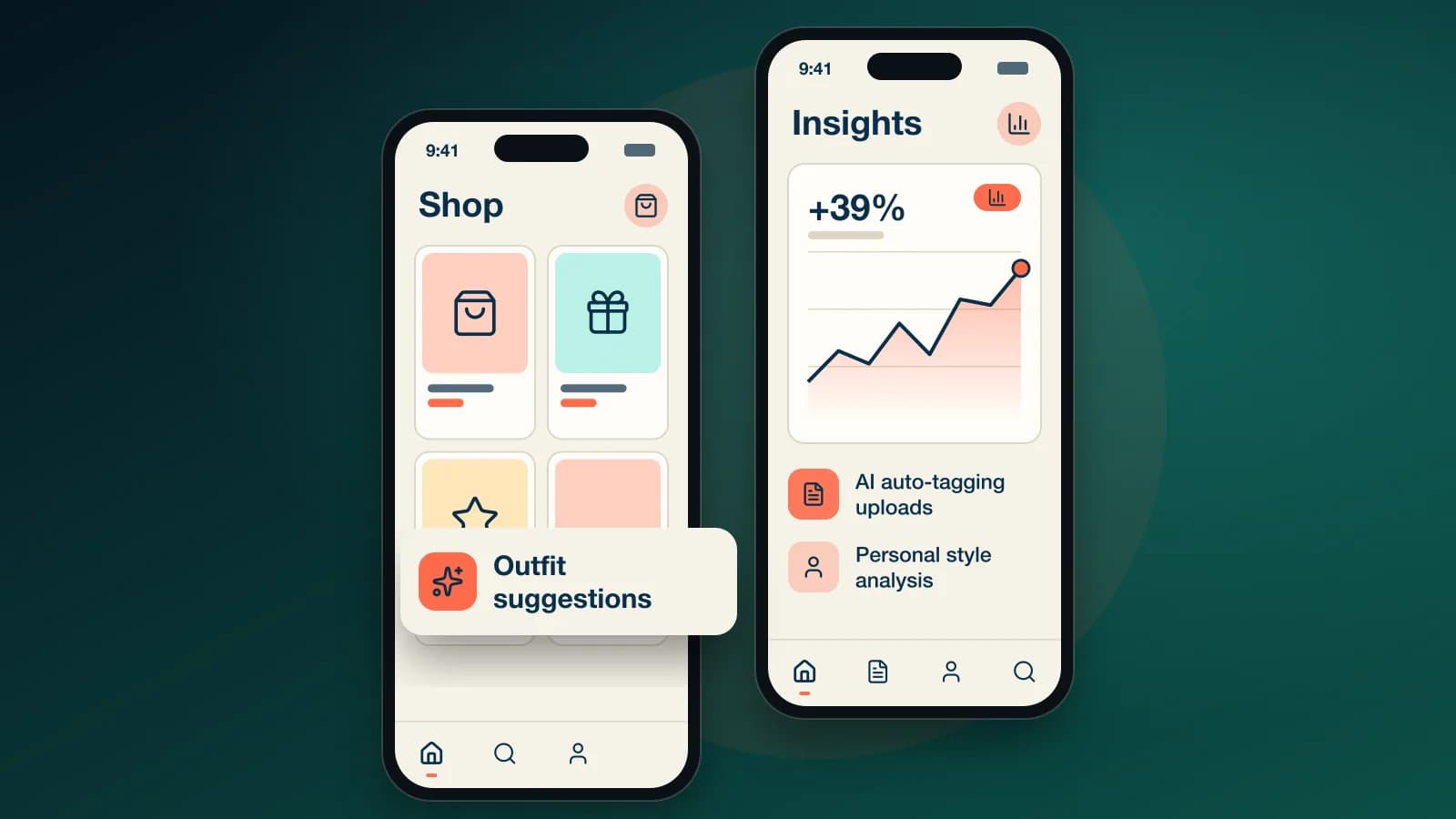
AI features that run on the phone itself: faster, private, and working offline.
Stack we work in
Figures as of Oct 2026
Trusted by
On-device AI means the AI model runs on the user's phone, tablet or watch instead of on a remote server.
Features respond instantly, keep working without a connection, cost nothing per request, and personal data never has to leave the device. We add on-device AI to iOS and Android apps using the models built into the platforms, such as Apple's Foundation Models framework and Gemini Nano through ML Kit, and run custom models with Core ML, LiteRT and ONNX Runtime when you need your own. We also combine on-device and cloud models where a task needs more power.
Health, finance, legal and personal content that users do not want sent to a server.
Field, travel and outdoor apps that must work offline.
Camera, typing and voice features where a round trip to the cloud is too slow.
Features used many times a day where per-request cloud fees would add up.
Outcomes
Summaries of notes, messages or documents and suggested replies, generated on the phone.
Capture, read and extract fields from documents without uploading them.
Learn moreIdentify products, plants, parts or defects from the camera.
Learn moreOn-device speech recognition and transcription.
Activity recognition and trends from sensor and wearable data.
Learn moreSearch across the user's own content with on-device embeddings.
Model test results on real devices, with a recommended approach and fallbacks.
Integrated, tested and released on iOS, Android or both.
Converted and compressed model files with the scripts to rebuild them.
Test examples and a repeatable way to measure AI quality on each release.
Use the language models already on the device.
Built with
Run your own models efficiently.
Built with
Understand what the camera and sensors see.
Built with
Pick the right place for each task.
Ship AI features you can trust.
Since 2018 we have delivered 680+ projects for 310+ clients, and 98% of clients keep working with us.
Our mobile developers and AI engineers work as one team, so models are chosen for what the phone can actually run.
We use Apple Foundation Models and Gemini Nano where they fit, and only train or convert a custom model when they do not.
We measure speed, battery, memory and app size on real phones before release, not just in a simulator.
We keep personal data on the device where possible and test answers against agreed examples before rollout.
Featured case study
An AI-powered wardrobe intelligence app that helps people organize their clothing and understand their personal style.
Read the case study AI Video Analytics CCTV Intelligence Development
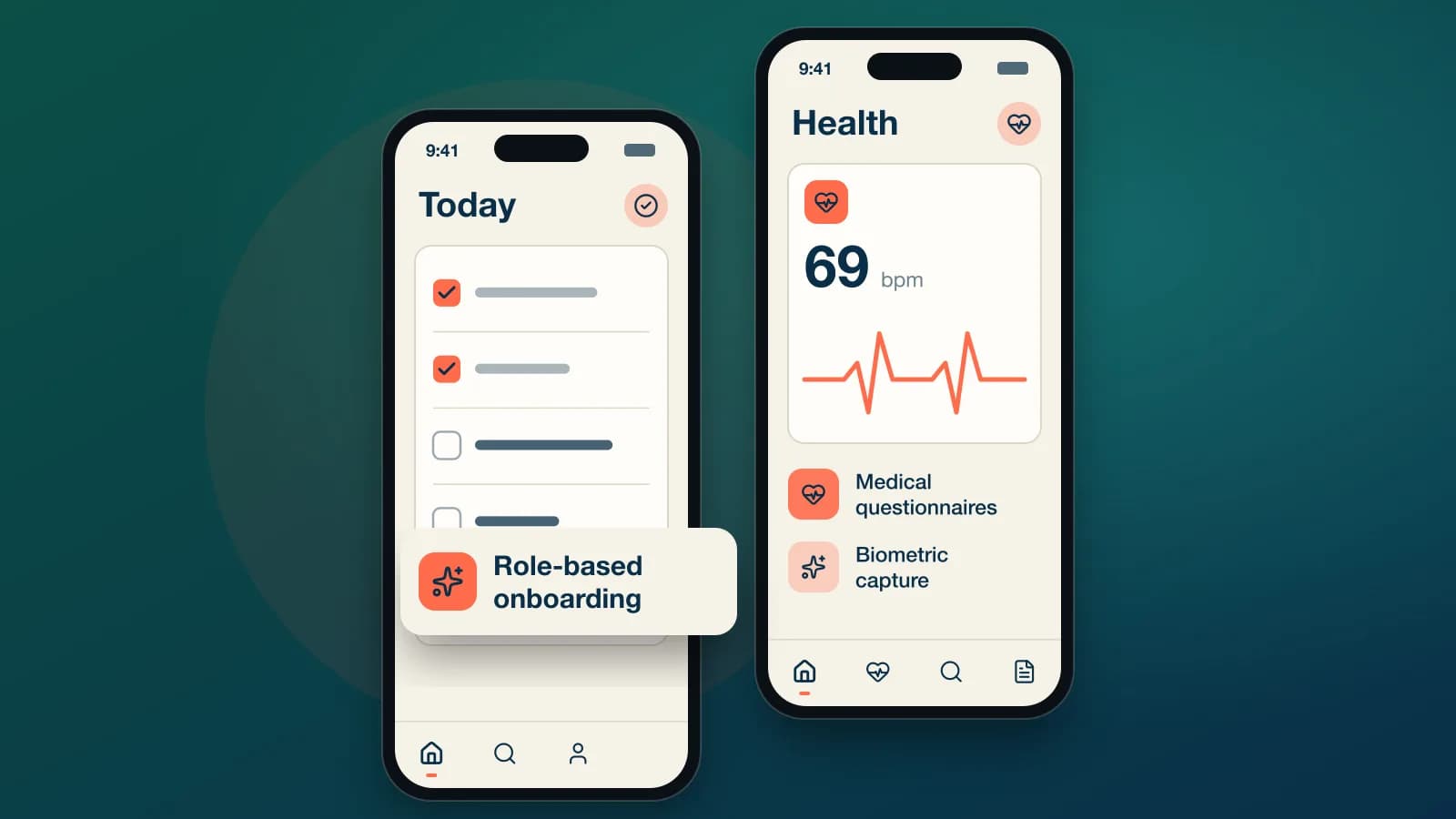 Building a Secure Employee Health & Performance Management Platform
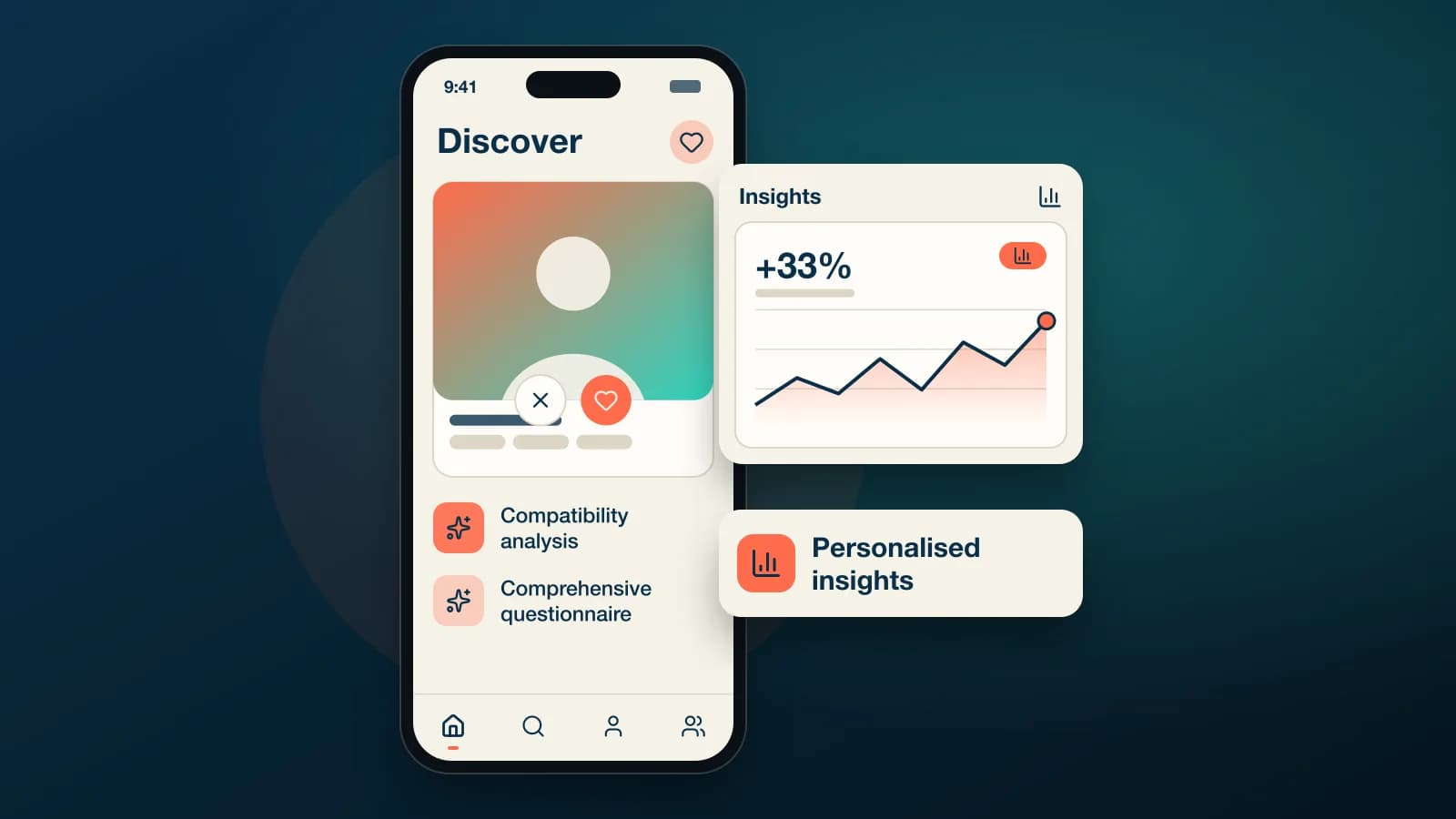 Discover Your True Personality: Fun Quizzes for Self-Insight and Growth!
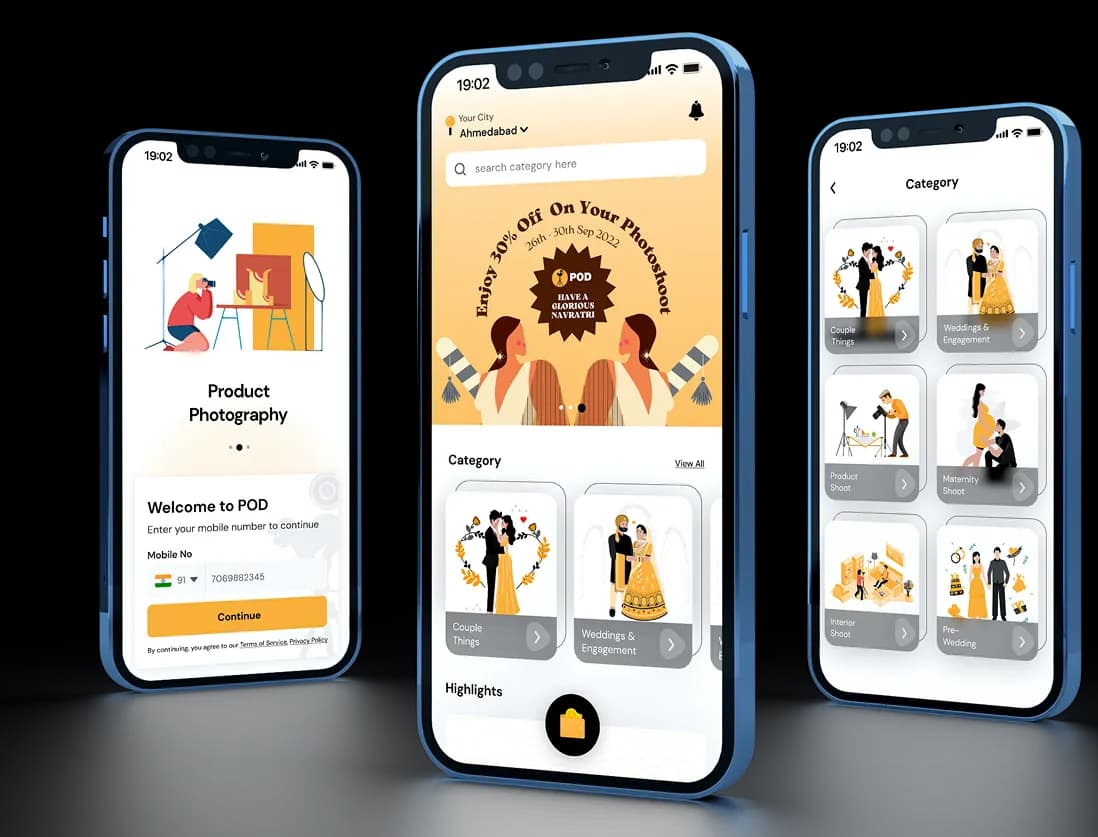 Book Professional Photographers Anytime, Anywhere with POD India
 Building a Real-Time Sports Data & Community Intelligence Platform
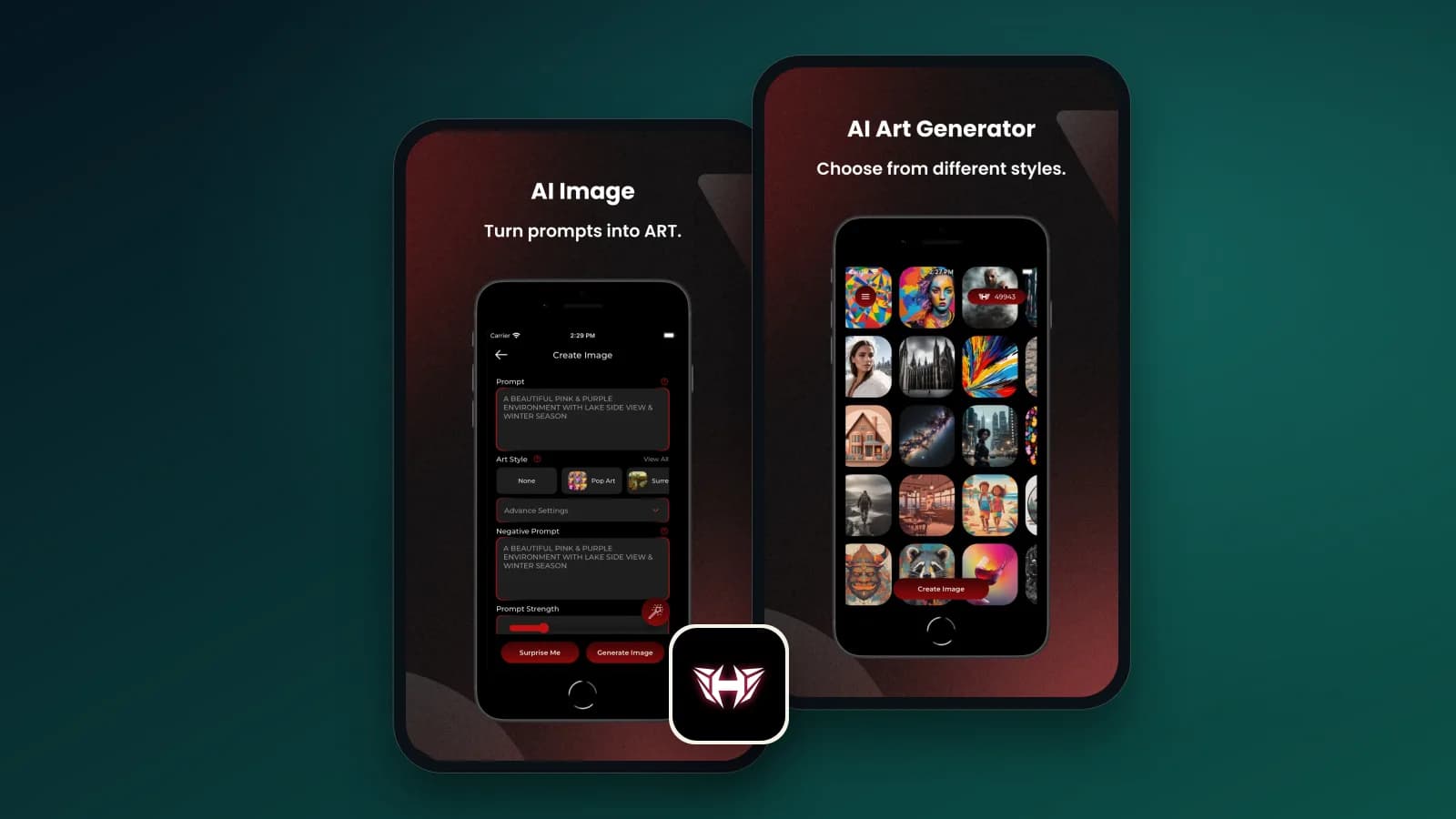 Create Stunning Art Instantly with AI HyperVerse
We review the AI features you want, your users' devices and your privacy needs.
You receive Feature list and device targets
We test candidate models on real devices for accuracy, speed, size and battery use.
You receive Model test results and recommendation
We design the user experience, fallbacks and the split between on-device and cloud.
You receive Architecture and UX flows
Models are integrated into the app in short iterations, with an evaluation set run on every build.
You receive Working AI features in test builds
Phased release with monitoring of quality, speed and crashes across device types.
You receive Feature live in the stores
We update models, prompts and thresholds as new platform models and user feedback arrive.
You receive Improvement roadmap
Tech stack
AI and machine learning
Databases
Mobile
Languages
Other tools
Engagement
On-device AI features built against an agreed scope, timeline and price.
Mobile and machine learning engineers who work on your app full time or part time.
A short paid review or pilot that answers the key questions before you commit to a full build.
It depends on whether built-in platform models are enough or a custom model is needed, how many features you want, and how many devices you support. We send a written estimate after a short call. As a guide, adding one on-device AI feature using built-in models usually costs $8,000 to $25,000, and a custom on-device model with training and app integration $25,000 to $90,000 or more (USD).
It means the AI model runs on the phone rather than on a server. Users get instant answers, features work offline, personal data stays on the device, and you do not pay a cloud AI fee for every request.
Apple's Foundation Models framework runs on devices that support Apple Intelligence, from iPhone 15 Pro onwards, with Apple Intelligence turned on. Gemini Nano runs on a growing list of recent Android phones, including Pixel and Samsung Galaxy flagships. We design a fallback for older devices, such as a smaller custom model or a cloud model.
Not for every task. On-device models are smaller, so they are best at focused tasks such as summaries, classification, extraction, rewriting and short replies. For long reasoning or broad knowledge we route the request to a cloud model, with the user's consent where needed.
Yes. We convert and compress models for Core ML on iOS and LiteRT or ONNX Runtime on Android, then test speed, accuracy and battery use on real devices before release.
It can if done carelessly. We choose model sizes and formats that use the Neural Engine, GPU or NPU, download models after install when they are large, and test battery and memory use on low-end and high-end devices.
Usually, yes. Data processed on the device does not leave it, which simplifies privacy reviews and consent. We still document what data is used and where, for your privacy policy and app store privacy labels.
Yes. Most projects add one or two AI features to an app that already exists, built in Swift, Kotlin, Flutter or React Native.
Yes. When a feature needs a cloud model, retrieval over company data or an AI agent, our AI team builds that part too and connects it to the app.
We build a test set of real examples, measure accuracy before release, and re-run it whenever the model, prompt or platform changes. Low-confidence results are shown with care or sent for review.
A feasibility check on real devices takes a few weeks. Adding a feature to an existing app usually takes a few weeks to a few months, depending on the model and how many devices you support.
We start with a short discovery call under NDA if you need one. Send us your idea, any designs or documents, and the systems the work must connect to. We then share a written scope, timeline and estimate before any build work starts.
Book a call with our mobile AI team. We will review your idea, check it against your users' devices and suggest the best approach.