












Featured case study
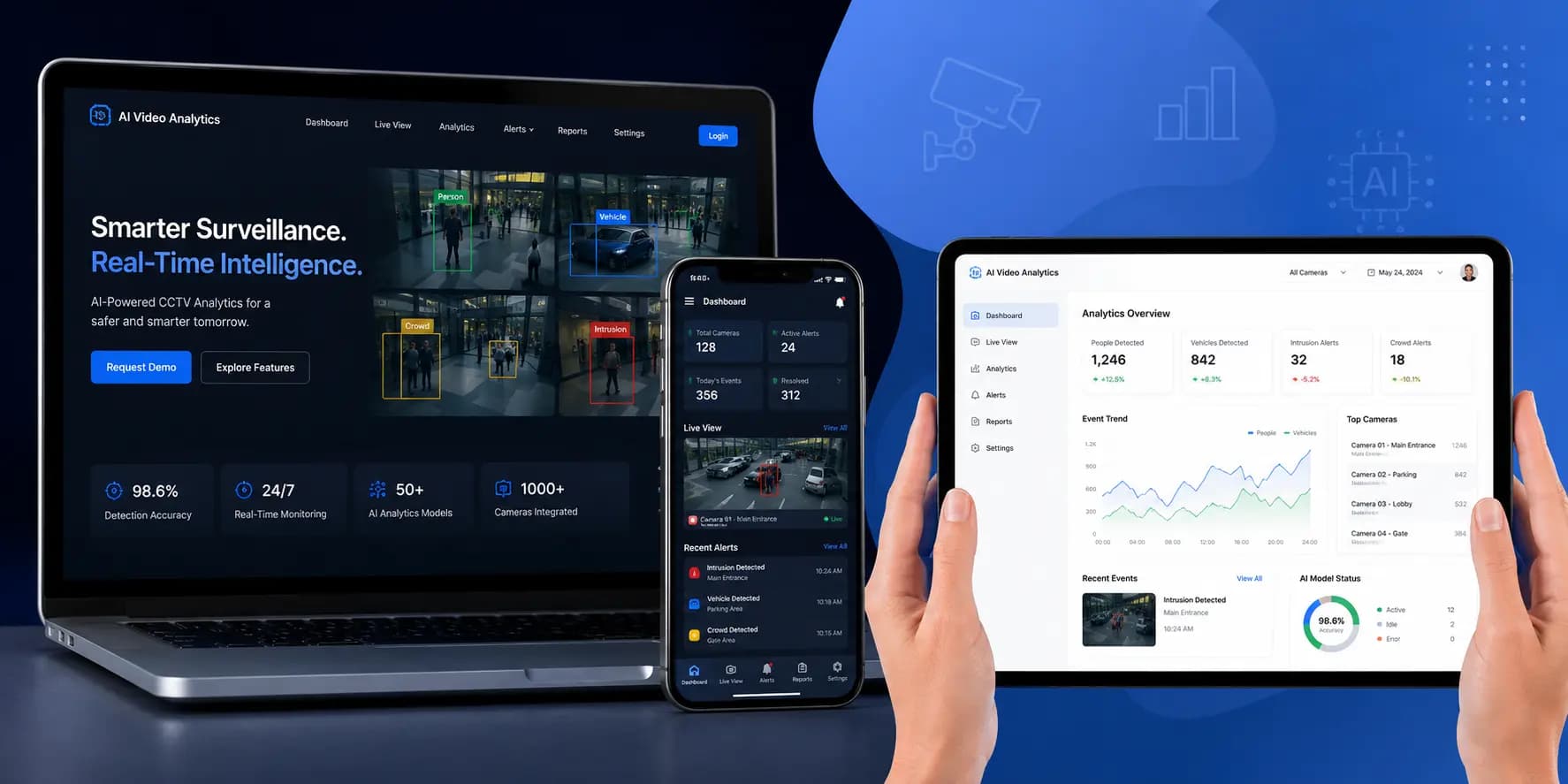
AI Broadcast Radio Automation: From Prompt to Live Radio Broadcast
One text prompt in. Broadcast-ready audio out written, voiced and delivered on air, hands-free.
Read the case study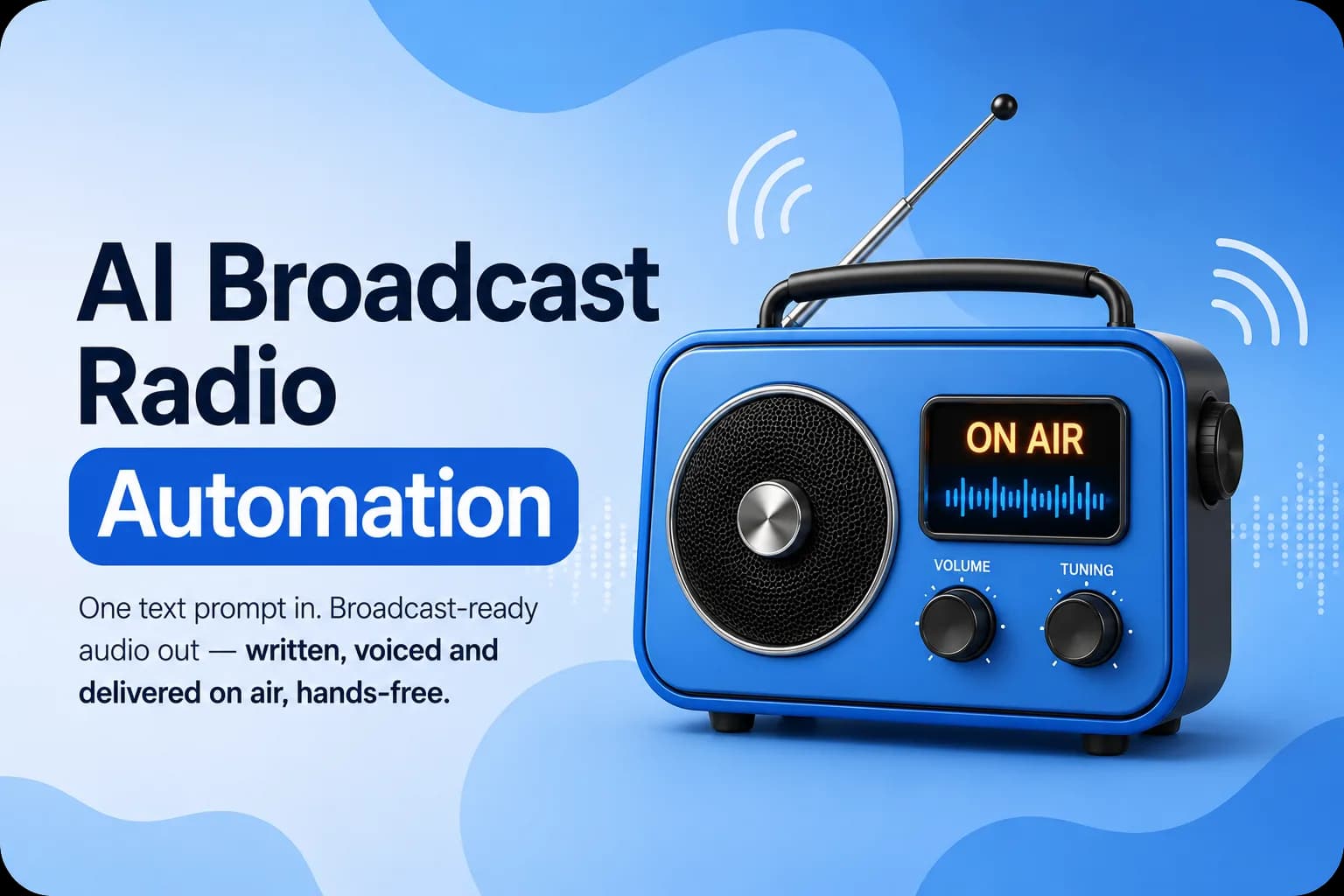
Independent testing that shows whether your AI gives correct, safe answers and resists misuse.
Stack we work in
Figures as of Oct 2026
Trusted by
AI systems fail differently from normal software: they can give confident wrong answers, leak data, be talked into ignoring their rules or behave differently after a model update.
We test chatbots, RAG applications, copilots and agents the way real users and attackers would. We build evaluation sets from your own cases and score accuracy, grounding and tone with Ragas, DeepEval and Promptfoo, run red-team attacks such as prompt injection and jailbreaks against the OWASP Top 10 for LLM Applications, and set up continuous evaluation and tracing in Langfuse so every change is checked before it reaches users.
The assistant seems fine in demos, but there is no score for real questions.
A new model or prompt version quietly changes answers users relied on.
AI can now send emails, update records or run code, and nobody has tried to misuse it.
The security team wants evidence the system resists prompt injection and data leakage.
Buyers and auditors ask how the AI was tested, and there is nothing to show them.
Outcomes
Systems, risks, attack scenarios and scoring methods, agreed up front.
Real cases with expected answers, versioned and reusable.
Accuracy, grounding, safety and bias scores with examples of failures.
Findings mapped to the OWASP LLM Top 10, with severity and reproduction steps.
Recommended or implemented fixes, with retest results.
Test suites in CI and tracing in production, handed over with documentation.
Answer accuracy, tone, refusals and data leakage in customer-facing assistants.
Learn moreGrounding, citations and permission boundaries across your documents.
Learn moreTool misuse, excessive agency and indirect prompt injection in agents that take actions.
Learn moreMulti-tenant data isolation and safe actions in in-app assistants.
Quality against the base model and safety regressions after tuning.
Behavior of bought AI features before you roll them out to staff or customers.
Measure whether answers are right.
Built with
Attack the system before someone else does.
Built with
Check behavior across users and edge cases.
Catch regressions on every change.
Built with
Turn findings into protection.
Built with
Evaluation sets come from your real questions, tickets and documents, so scores reflect what users actually do.
Promptfoo, garak and PyRIT generate attacks at scale, and our engineers add the manual, context-specific ones tools miss.
Each finding has a severity, reproduction steps and a proposed fix, and we can apply the prompt, retrieval and permission fixes ourselves.
Evaluation suites run in GitHub Actions or GitLab CI with release gates, so a regression blocks a deploy rather than reaching users.
Results are mapped to the OWASP Top 10 for LLM Applications and MITRE ATLAS, giving you evidence for governance and customer reviews.
Featured case study
One text prompt in. Broadcast-ready audio out written, voiced and delivered on air, hands-free.
Read the case studyWe agree the systems, risks, user groups and threat scenarios to test.
You receive Test plan and threat model
We collect real cases and expected answers with your experts, and write attack scenarios.
You receive Evaluation and attack datasets
We run automated and manual quality tests and score the results.
You receive Quality scorecard
We attack the system with automated tools and manual techniques across the OWASP LLM Top 10.
You receive Security findings
We help fix issues, add guardrails and retest to confirm.
You receive Retest report
We wire the test suites into CI and production monitoring so testing continues.
You receive Continuous evaluation pipeline
Tech stack
AI and machine learning
Languages
Cloud and DevOps
Testing and quality
Other tools
Engagement
Evaluation and red teaming of one AI application, with a findings report.
Test suites, release gates and production monitoring set up in your pipeline.
Regular manual and automated attacks as your AI systems and threats change.
It depends on the number of AI systems, how many tools and data sources they touch, the depth of manual red teaming, and whether you want a one-off assessment or continuous testing. As a guide, a one-off evaluation and red-team assessment of one application usually costs $8,000 to $25,000, and a continuous evaluation pipeline with release gates and monitoring $25,000 to $60,000 or more (USD).
AI output varies between runs and there is rarely one correct string to compare against. Testing needs sets of realistic cases, scoring methods for meaning rather than exact text, and deliberate attacks, run again every time the model, prompt or data changes.
Deliberately trying to make an AI system misbehave: reveal data, ignore its rules, produce harmful content or take unsafe actions. We use automated attack tools and manual techniques to find these weaknesses before real users or attackers do.
A widely used list of the most important security risks for LLM-based applications, including prompt injection, sensitive information disclosure, supply chain risks, excessive agency, system prompt leakage and misinformation. We use it as a checklist for every assessment.
An attack where instructions hidden in user input, a document, an email or a web page make the model ignore its original instructions. It is the most common way AI agents and RAG systems are attacked, and it needs layered defences rather than one fix.
Yes, within the vendor's terms of use. We test the behavior through the interface or API you have access to and report findings you can raise with the vendor.
Ragas, DeepEval and Promptfoo for evaluation, Promptfoo, garak and PyRIT for automated red teaming, and Langfuse, LangSmith or Arize Phoenix for tracing and online evaluation, combined with manual expert testing.
On every change to the model, prompt, retrieval data or tools, which is why we automate the test suites in CI. A deeper manual red-team review once or twice a year, or before major releases, is a good baseline.
Yes, if you want us to. As a development company we can fix prompts, retrieval, permissions and guardrails, then retest. Or we hand findings to your team with clear reproduction steps.
A one-off evaluation and red-team assessment of one application usually takes 2 to 4 weeks. Setting up a continuous evaluation pipeline typically takes 3 to 6 weeks.
Book a call, and we talk through the goal, the systems involved and any constraints under NDA. You then get a short written proposal with scope, timeline and estimate. We need access to the system under test, a sample of real queries or tickets, and the policies it should follow. Findings and test data are covered by NDA and stay in your environment.
Book a call. We will review your AI system and propose an evaluation and red-team plan.