















Featured case study
Building a Print-on-Demand Shopify Integration Platform
This Print-on-Demand (POD) platform is designed to help businesses sell custom-designed products without managing inventory, production, or logistics.
Read the case study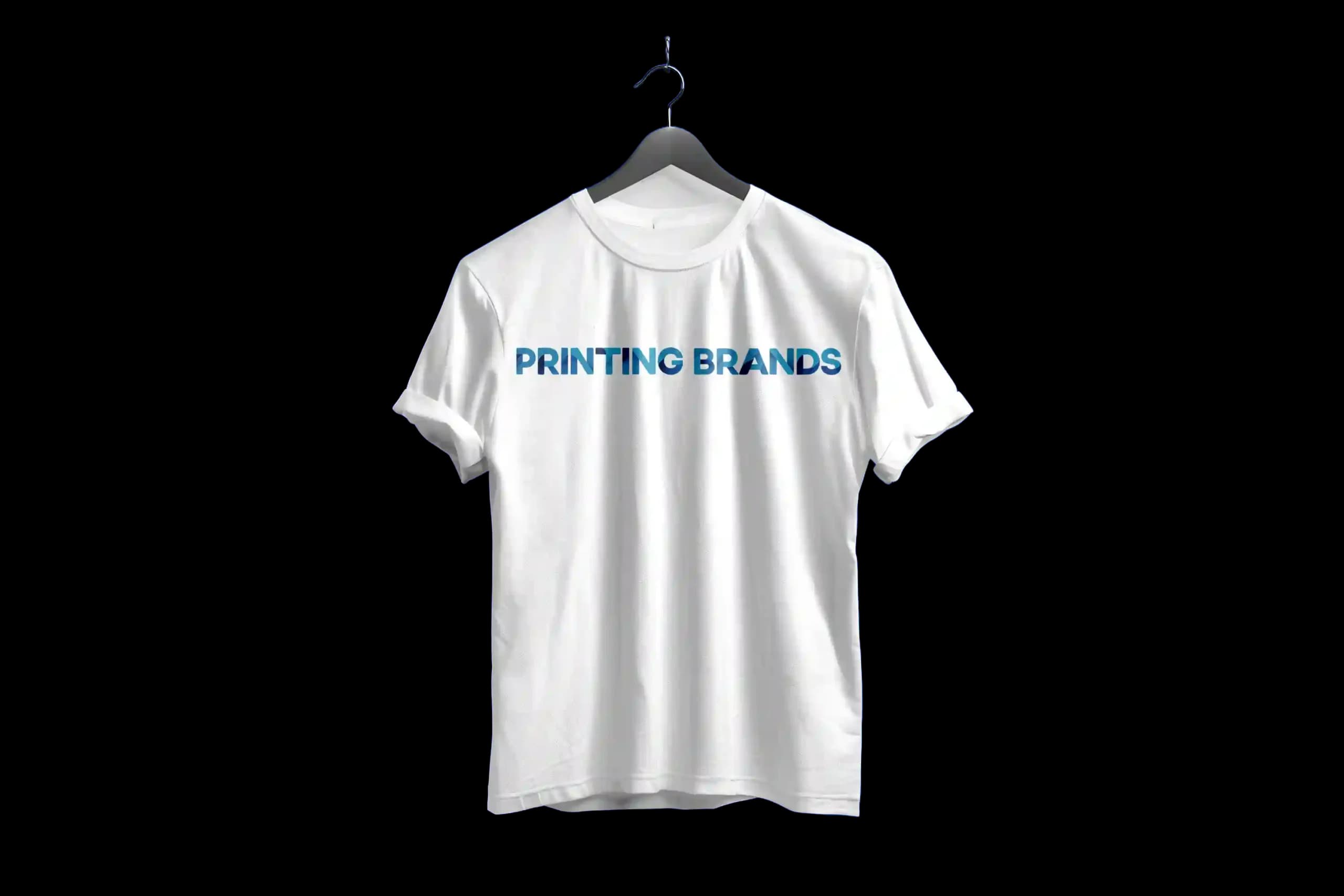
AI assistants that help shoppers find products, and product feeds so AI agents can sell for you.
Stack we work in
Figures as of Oct 2026
Trusted by
Shoppers now ask AI assistants what to buy, both on store websites and in tools such as ChatGPT.
We build AI shopping assistants that answer product questions in plain language, recommend the right items and help customers check out, using only your real catalog, prices and stock. We also prepare your store for agentic commerce: clean product feeds, the Agentic Commerce Protocol for checkout inside ChatGPT, Shopify's agent-ready catalog and MCP tools, and similar standards, so AI agents can find and sell your products accurately.
Shoppers type what they mean and get no results or the wrong products.
Support answers sizing, compatibility and delivery questions by hand.
Products do not show up, or show wrong details, when shoppers ask AI assistants.
Missing attributes and inconsistent titles make every channel weaker.
An earlier bot gave wrong answers and was switched off.
Outcomes
Ask a few questions and recommend the right product, as a good shop assistant would.
Replace keyword search with natural-language search on the store.
Product feeds and Instant Checkout through the Agentic Commerce Protocol.
Answer product and policy questions and hand off to a human when needed.
Learn moreFill missing attributes and fix product copy at scale.
Agents that take actions such as reorders or returns through your APIs.
Learn moreWhich assistant features to build first, and what product data needs fixing.
Cleaner product data and feeds for your store, ads and AI channels.
Search, recommendations and chat, integrated into your store and apps.
Feeds, checkout and order flows for AI shopping channels.
Test questions, scores and dashboards for accuracy and cost.
Source code, prompts and runbooks in your repositories and accounts.
Let shoppers describe what they want.
Built with
Show the right products to each shopper.
Be ready when AI agents shop for customers.
Built with
AI is only as good as the catalog it reads.
Built with
Keep answers accurate and costs predictable.
Built with
The same team builds stores and AI products, so the assistant is wired into your catalog, cart and order data rather than bolted on.
The assistant only quotes products, prices and stock it can find in your data, and we test it against a written evaluation suite before launch.
We start with a pilot on one use case and a written estimate, so you see real conversations before committing to a full build.
Model choice, caching and usage limits are part of the design, and customer data handling is agreed up front under NDA.
Featured case study
This Print-on-Demand (POD) platform is designed to help businesses sell custom-designed products without managing inventory, production, or logistics.
Read the case study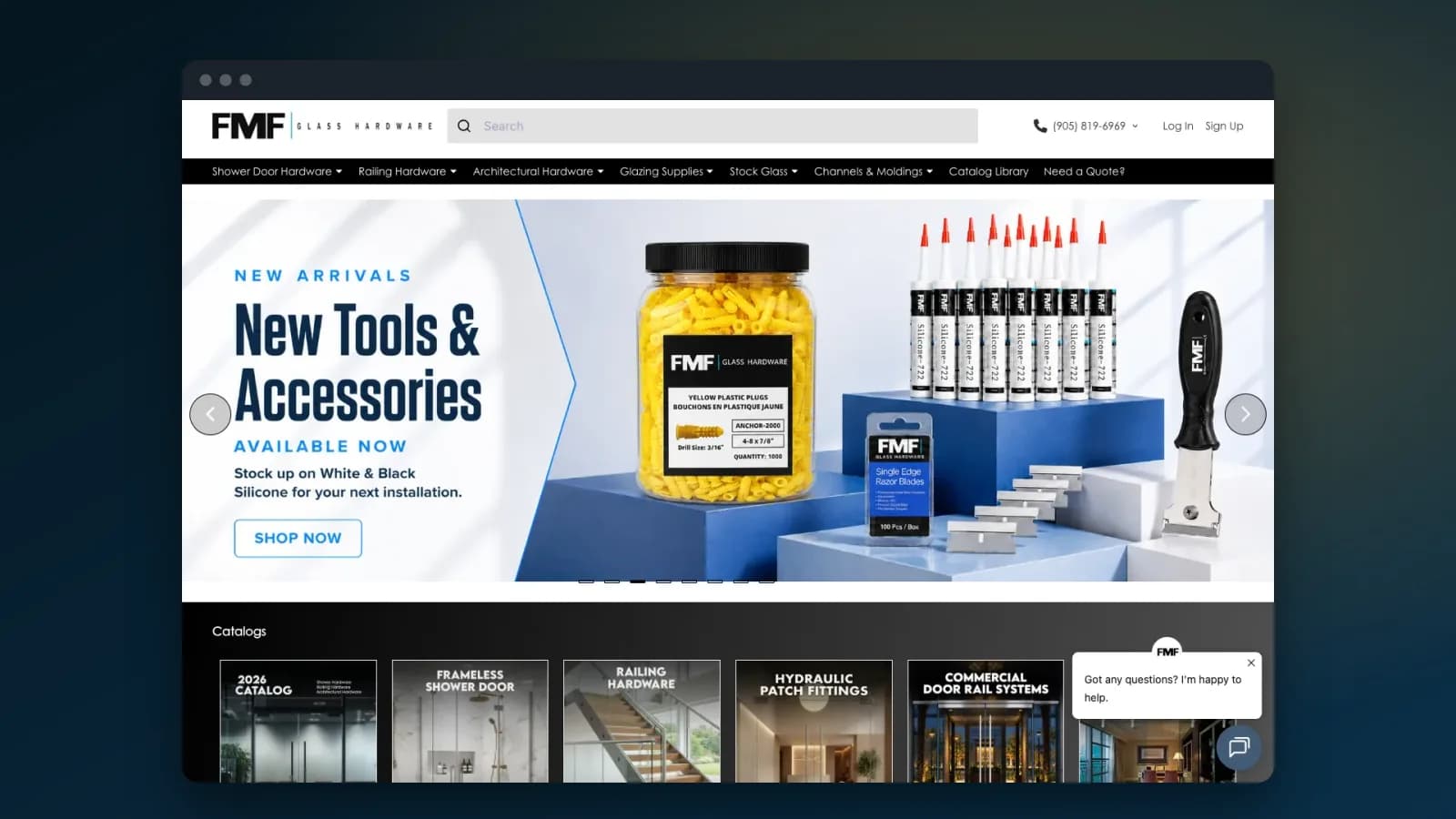 FMF Glass Hardware – WooCommerce to Shopify Store Migration
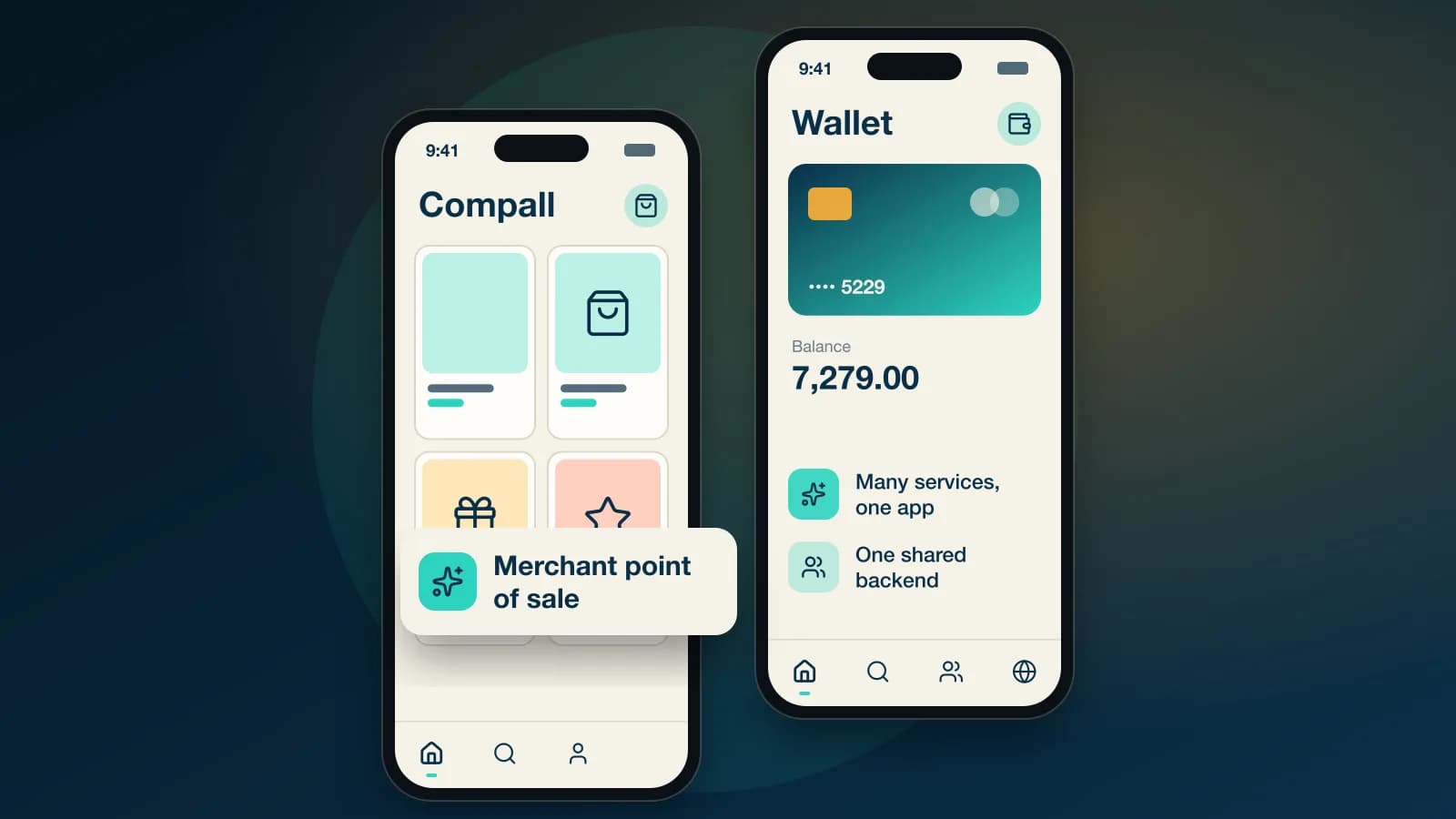 Compall – Multi-Service Commerce and POS Platform
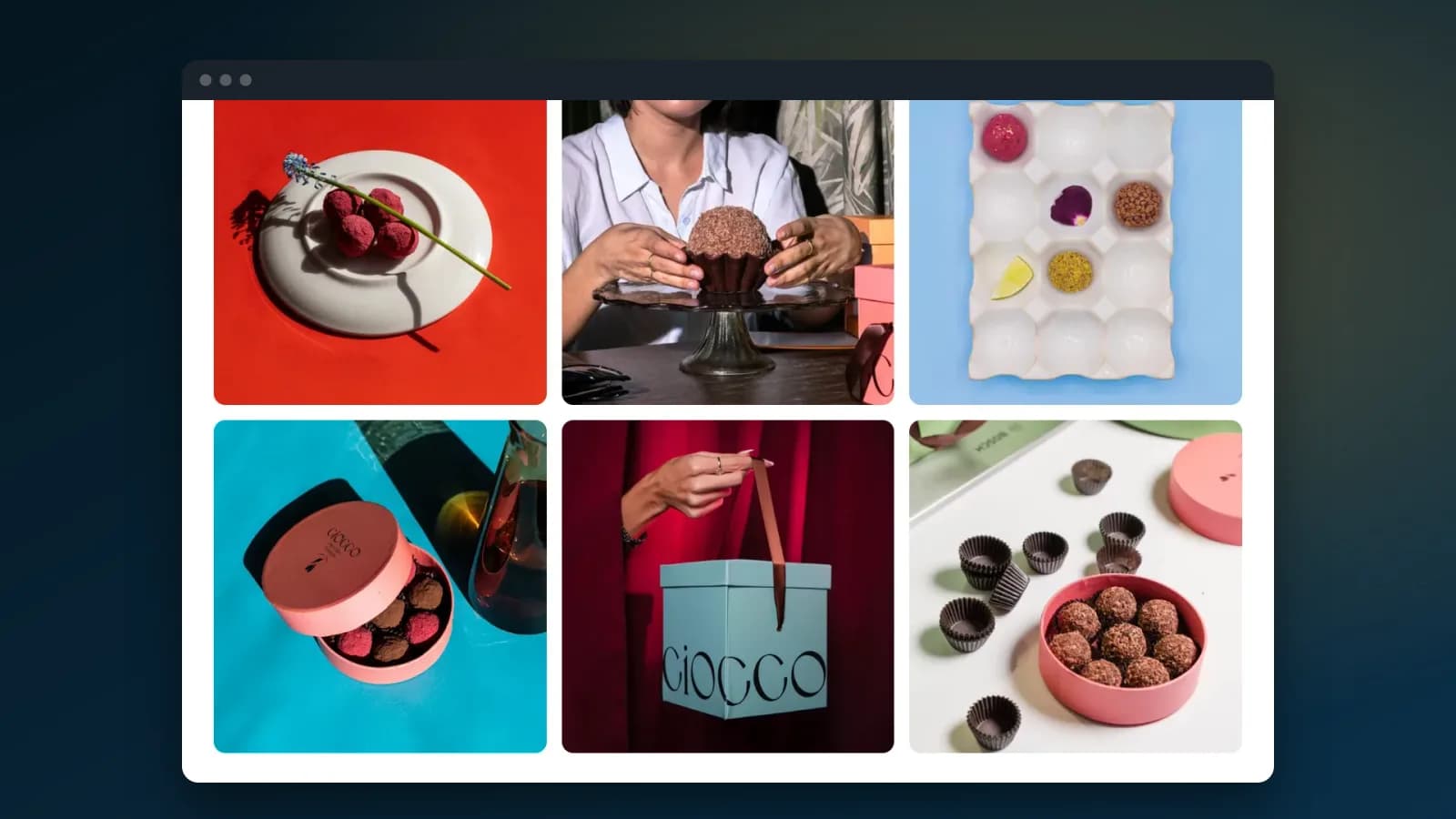 Revolutionizing Chocolate Shopping with CioccoMiami
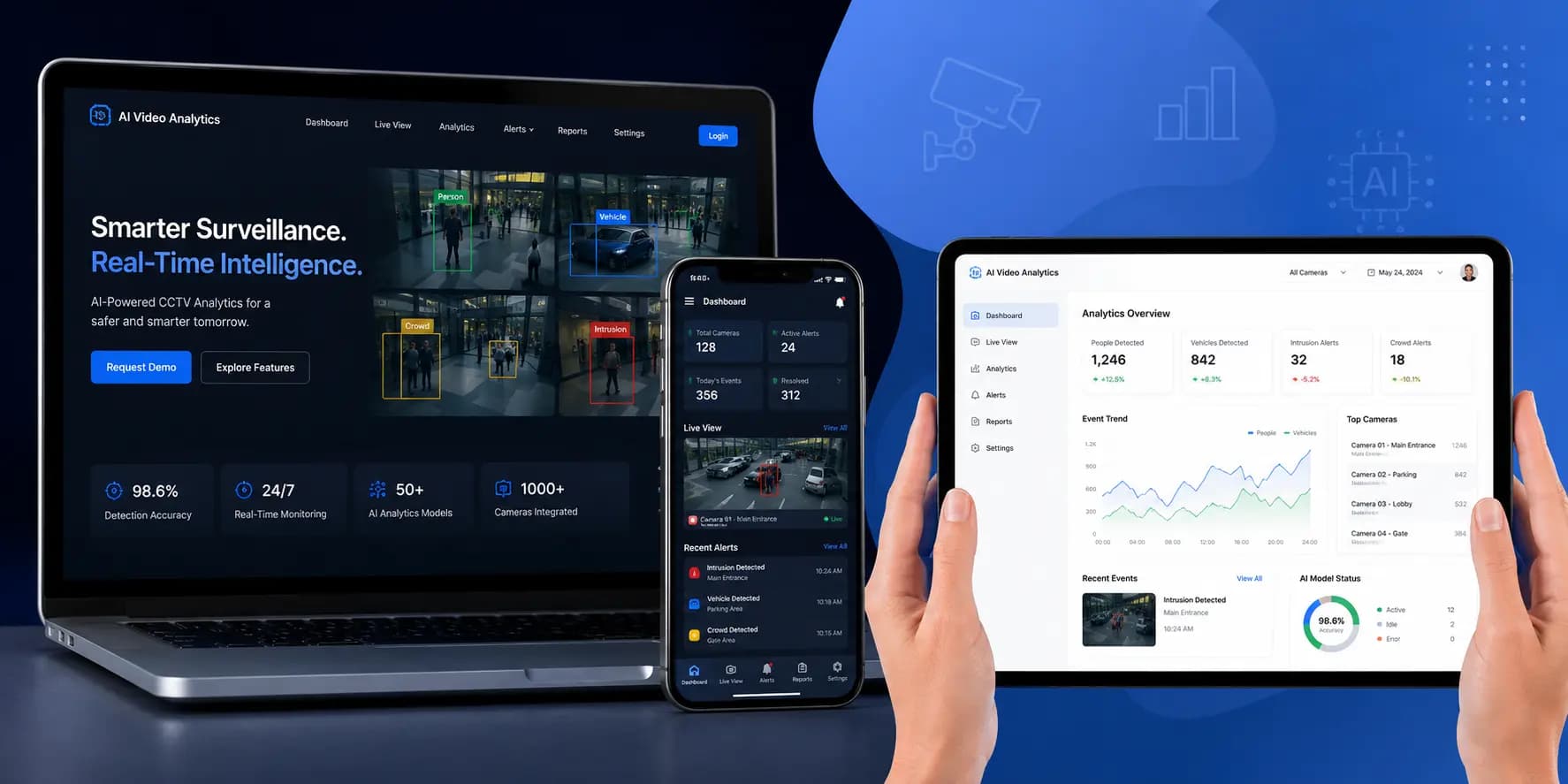 AI Video Analytics CCTV Intelligence Development
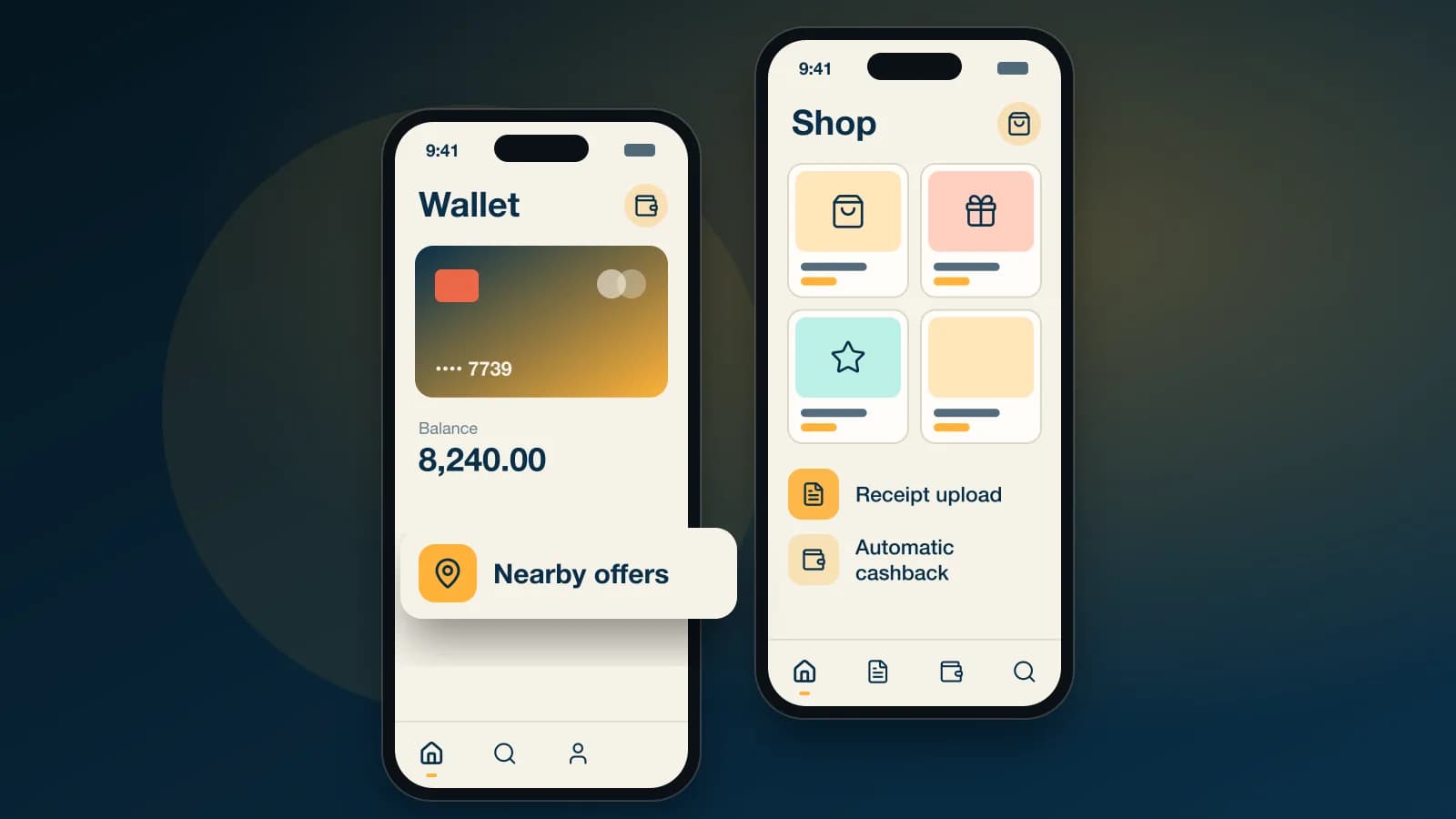 Golden Bills: Grab deals & earn cashback locally!
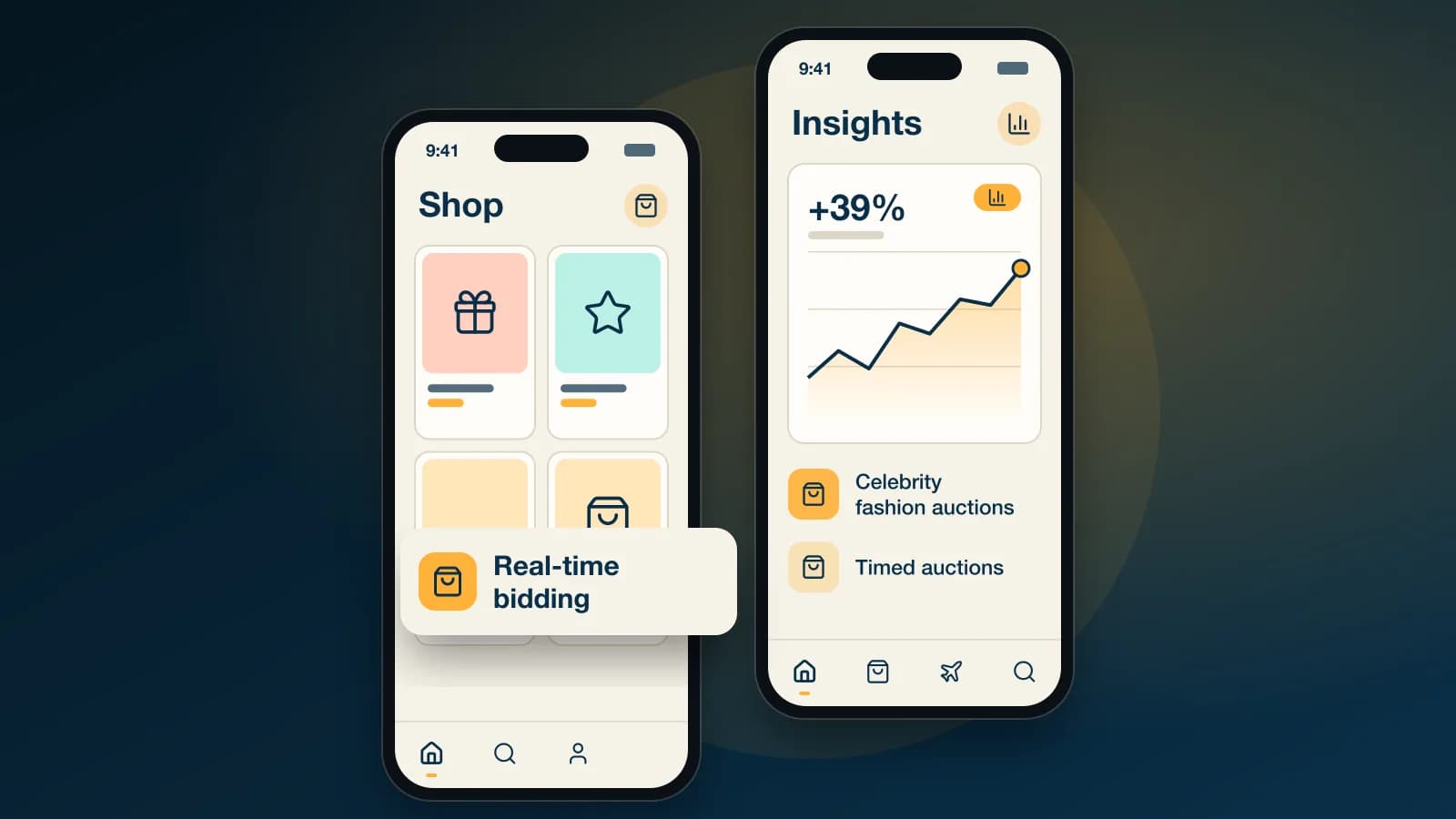 Starwears: Bid on Celebrity Fashion and Own a Piece of Star Style!
We review your catalog, questions shoppers ask, channels and data quality, and agree measurable goals.
You receive Use cases and success measures
We clean and enrich product data and set up the feeds and indexes the assistant needs.
You receive Clean catalog and feeds
We build an assistant on your real catalog and test it with real questions.
You receive Working prototype and test results
We integrate it into your store, apps and support tools, with guardrails and analytics.
You receive Production assistant
We connect your catalog and checkout to AI shopping channels such as ChatGPT.
You receive Live agentic channel
We track answer quality, conversions and costs and keep improving prompts and data.
You receive Monthly report and roadmap
Tech stack
AI and machine learning
Databases
BI and analytics
Frontend
Backend and APIs
Languages
Cloud and DevOps
 AWS
CRM, commerce and CMS
Other tools
Engagement
A fixed-scope assistant on your real catalog, tested with real questions.
Assistant, feeds and agentic channels delivered against an agreed scope.
AI and commerce engineers working inside your process.
It depends on catalog size and data quality, the channels (website, app, chat, ChatGPT), integrations with support and order systems, and how much evaluation and tuning you need. After a short discovery call we send a written estimate. Model and platform usage is billed to your accounts. As a guide, an AI shopping assistant pilot usually costs $10,000 to $30,000, and a production assistant with agentic checkout and feeds $30,000 to $100,000 or more (USD).
It is when an AI agent, such as ChatGPT or another assistant, finds and buys products for a shopper. For your store to be chosen, agents need accurate product data and a safe way to check out. Standards such as the Agentic Commerce Protocol, created by OpenAI and Stripe, define how that works.
Yes, if you meet the program's requirements. We prepare a product feed, connect checkout through the Agentic Commerce Protocol with Stripe or a compatible payment provider, and handle order updates. Shopify and some other platforms provide much of this through their own integrations, which we set up and extend.
We design against it. The assistant can only answer from your live catalog and policies, prices and stock are read from your systems at answer time, and we test it on hundreds of real questions before launch and after changes.
We choose by task and cost, usually from OpenAI, Anthropic Claude and Google Gemini models, and sometimes open models for search and ranking. The design lets you switch models later.
It helps a lot. Most projects start with enriching titles, attributes and descriptions, which also improves your website search, marketplaces and ads. We use LLMs with human review to speed this up.
Yes. We integrate with Shopify, WooCommerce, BigCommerce, Adobe Commerce and custom platforms through their APIs, and add the assistant as a site widget, a search experience or inside your app.
We send models only the data needed for each answer, use providers' business terms that do not train on your data, store chat logs securely with retention limits and respect cookie and personalization consent.
We track answer accuracy, search-to-cart and conversion rates for assistant users, support tickets avoided and cost per conversation, and compare against a control group where possible.
We start with a short review of your catalog, data and goals, then send a written estimate. A pilot on one use case usually takes 4 to 8 weeks; a full assistant with agentic checkout takes longer. We need access to your product data, store platform and a person who can make decisions.
You own the code, prompts, evaluation suite and data. After launch we can monitor answer quality, model costs and conversions, and update the assistant as your catalog and the AI models change.
Book a call with our team. We will review your catalog and goals and outline the assistant, the agentic channels, the steps and the likely cost.