
















Featured case study
Building a Print-on-Demand Shopify Integration Platform
This Print-on-Demand (POD) platform is designed to help businesses sell custom-designed products without managing inventory, production, or logistics.
Read the case study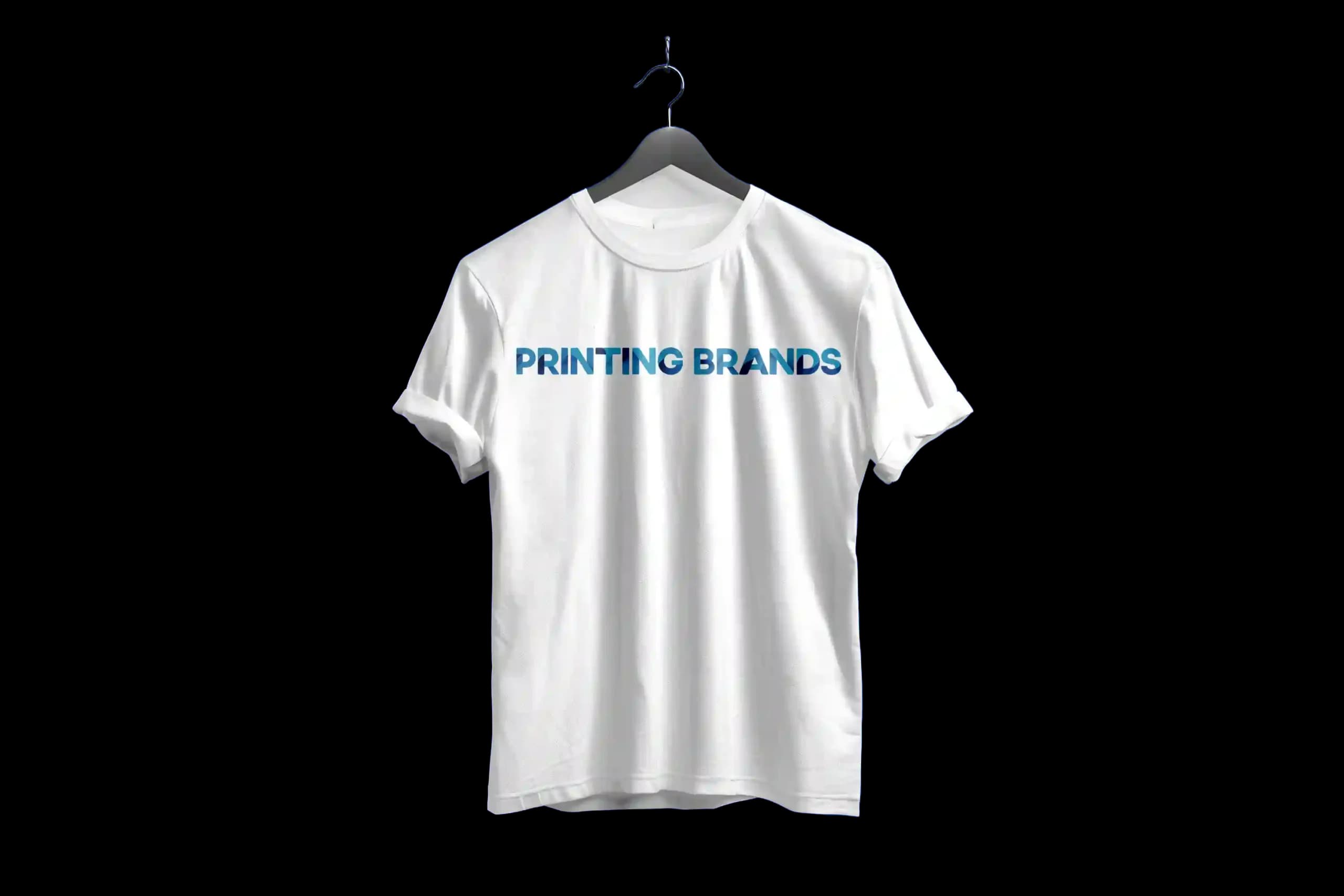
Fast, custom storefronts that run on a commerce platform you choose, built to grow with you.
Stack we work in
Figures as of Oct 2026
Trusted by
Headless commerce separates what shoppers see from the system that handles products, carts and orders.
It lets you design any storefront you like, reuse the same products in web, app and in-store screens, and swap parts later without rebuilding everything. We build headless storefronts on Shopify Hydrogen, Next.js and Next.js Commerce, connected to commerce engines such as Shopify, BigCommerce, commercetools, Medusa or Saleor, with content from a headless CMS and search from Algolia or a similar service.
The design team wants layouts and interactions the theme cannot handle without hacks.
Scripts from many apps slow every page and hurt Core Web Vitals.
Editorial content and product data live in different systems and are hard to combine.
Web, app and in-store screens each keep their own product data.
Every change to the store risks breaking something else.
Outcomes
Story-rich product pages and custom interactions for fashion, beauty and lifestyle brands.
Hydrogen storefronts on top of an existing Plus back end.
Learn moreConfigurable products and large catalogs on commercetools or BigCommerce.
Custom buyer portals on a headless commerce engine.
Learn moreOne API powering the website and mobile apps.
Learn moreMagazines, guides and shoppable content in one experience.
A written comparison of options, with the reasons for each choice and running costs.
Production front end with reusable components, deployed to your hosting.
Content models, page blocks and previews for your marketing team.
Commerce, search, payments, PIM and ERP connected through documented APIs.
Redirect map, structured data and Core Web Vitals report at launch.
Source code in your repositories, runbooks and developer documentation.
A fast front end your brand fully controls.
Built with
Pick the back end that fits your model.
Built with
Rich pages and products that are easy to find.
Built with
Connect each part through APIs.
Built with
Keep the speed advantage after launch.
Built with
 AWS
We start with a headless fit check and tell you plainly if a standard theme would serve you better.
Core Web Vitals and SEO checks are part of every build, and we compare them against your current store.
We set up a CMS so your team can edit pages and campaigns without developers.
We can move you in stages, and you own the storefront code, CMS and hosting accounts.
Featured case study
This Print-on-Demand (POD) platform is designed to help businesses sell custom-designed products without managing inventory, production, or logistics.
Read the case study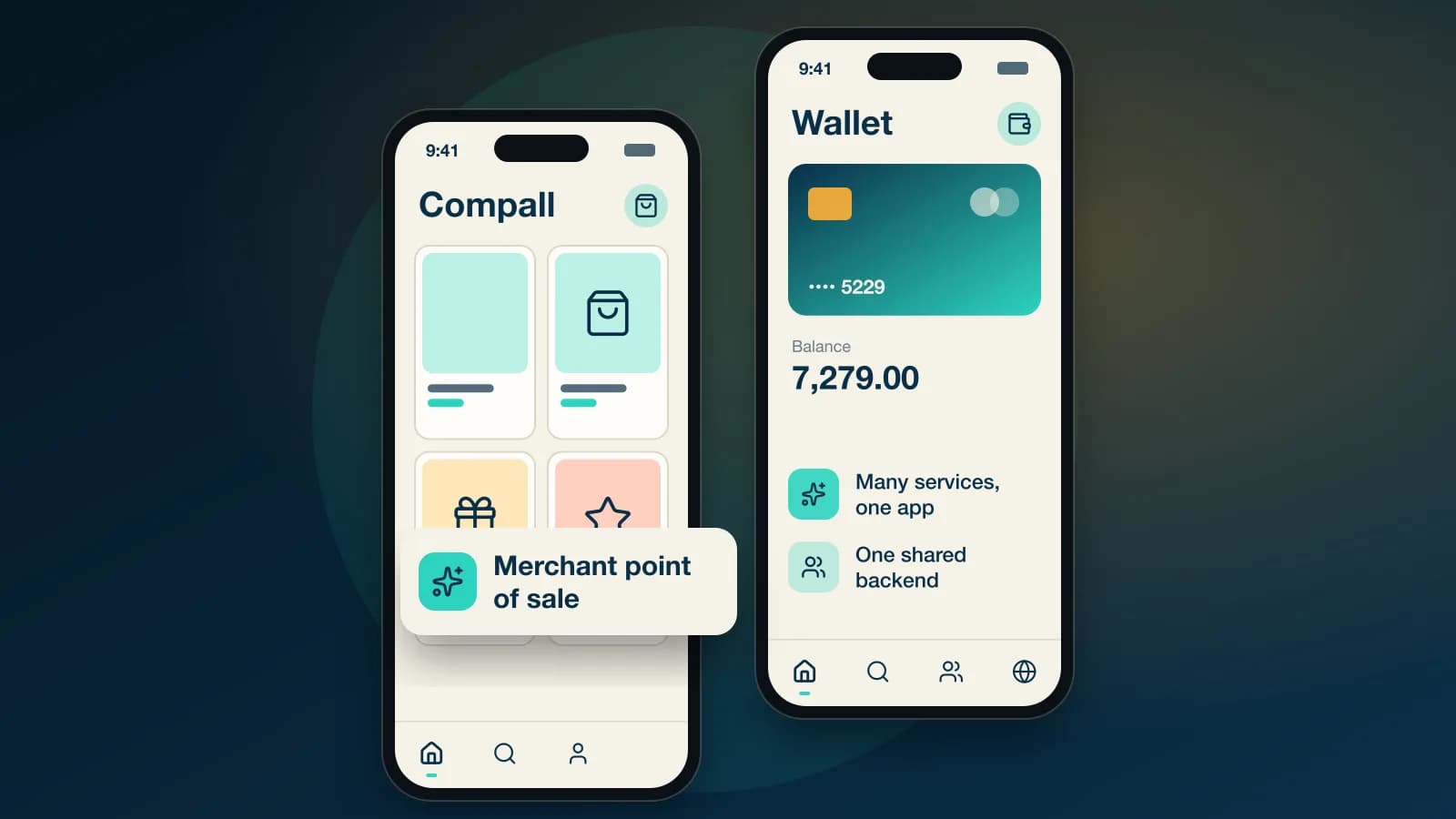 Compall – Multi-Service Commerce and POS Platform
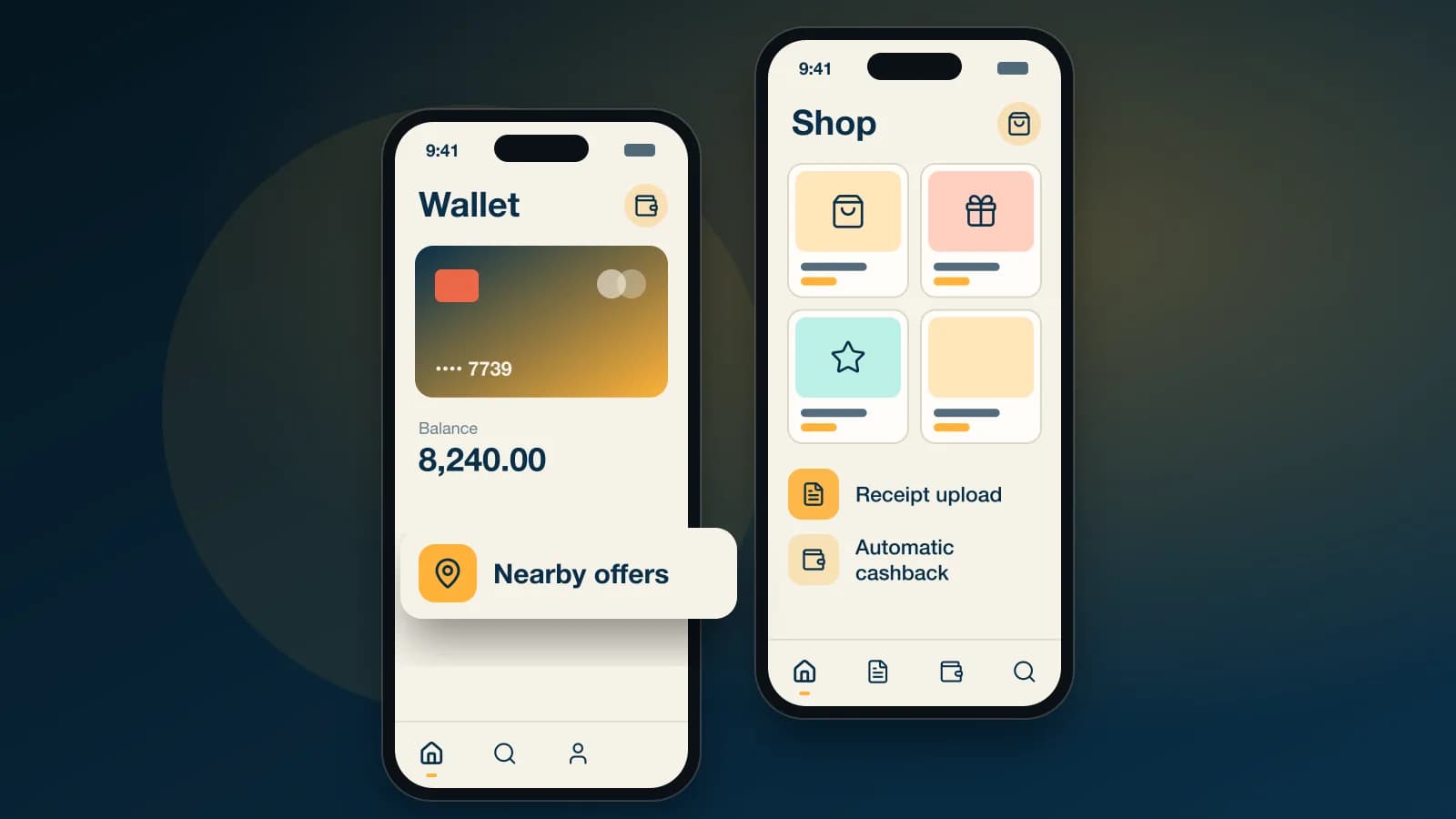 Golden Bills: Grab deals & earn cashback locally!
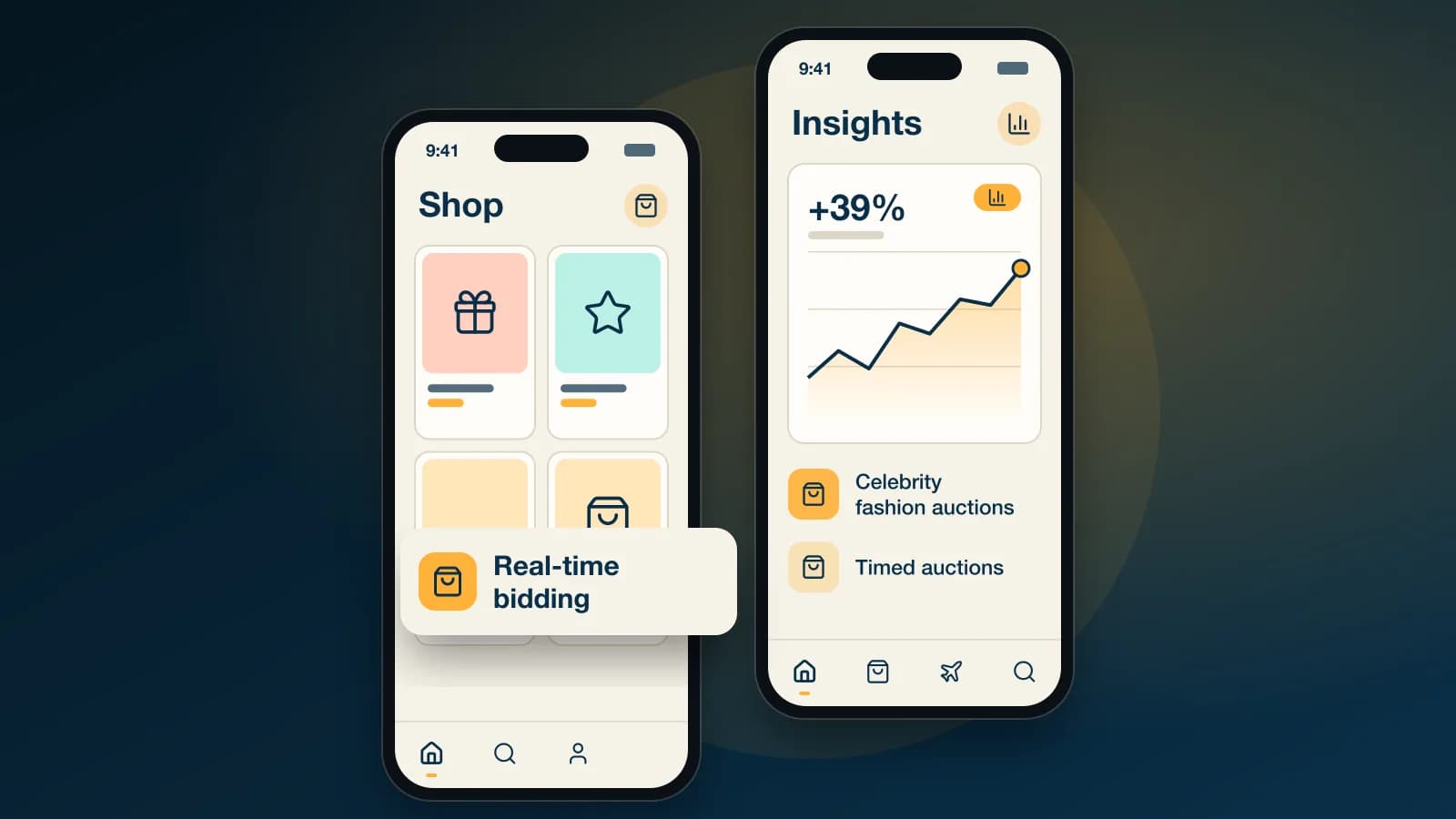 Starwears: Bid on Celebrity Fashion and Own a Piece of Star Style!
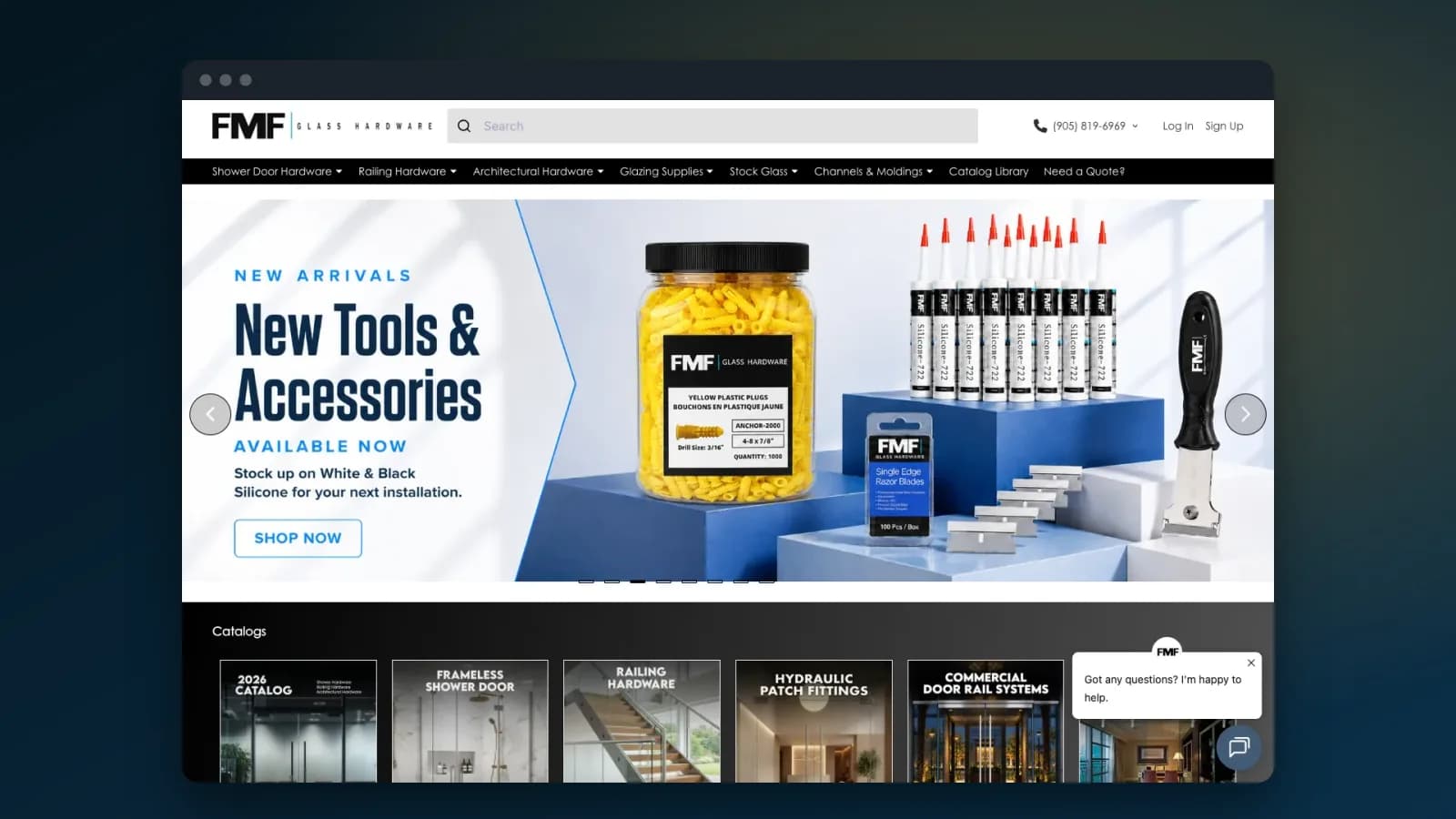 FMF Glass Hardware – WooCommerce to Shopify Store Migration
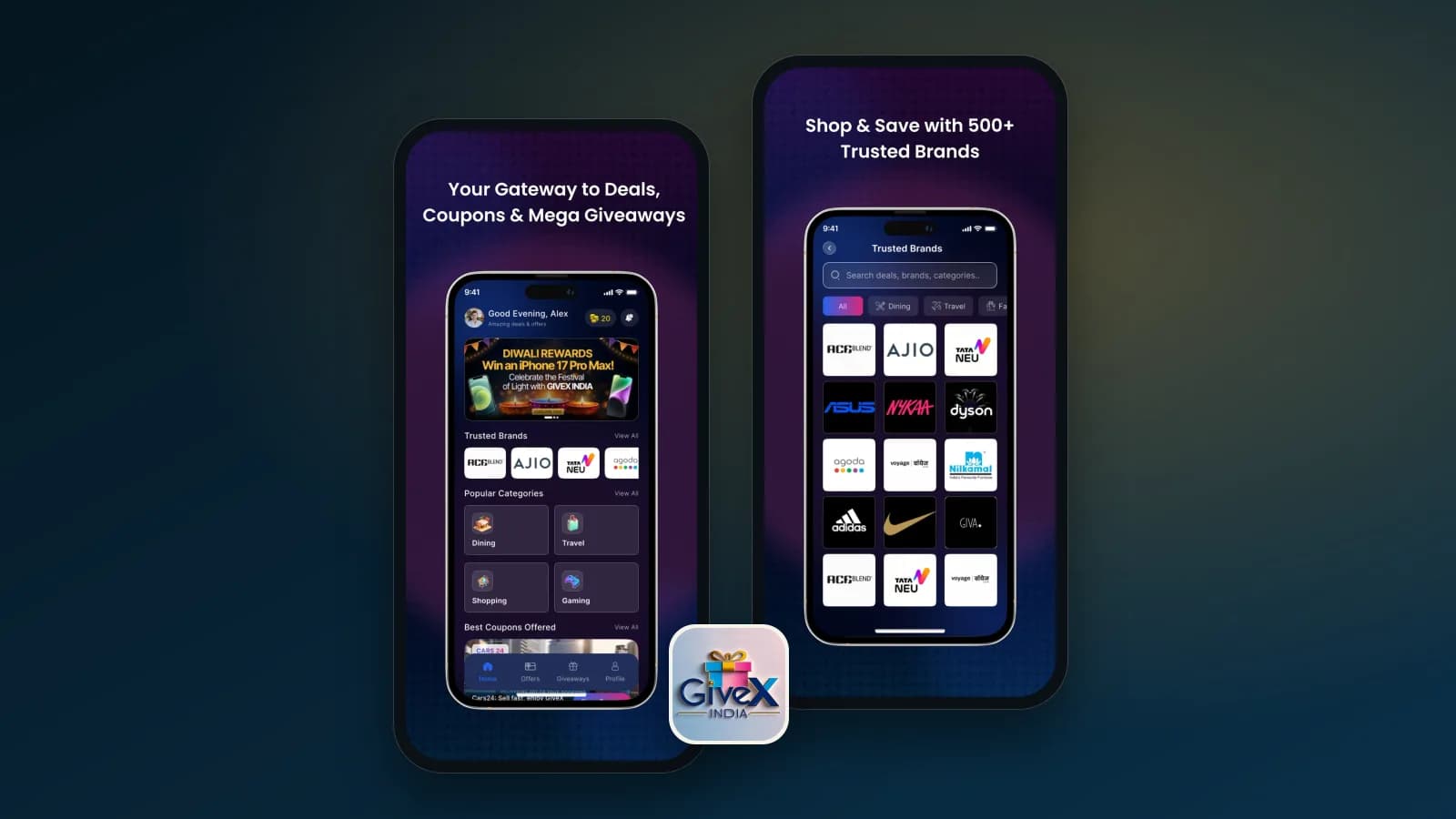 GiveX India – Member Deals, Coupons and Giveaways App
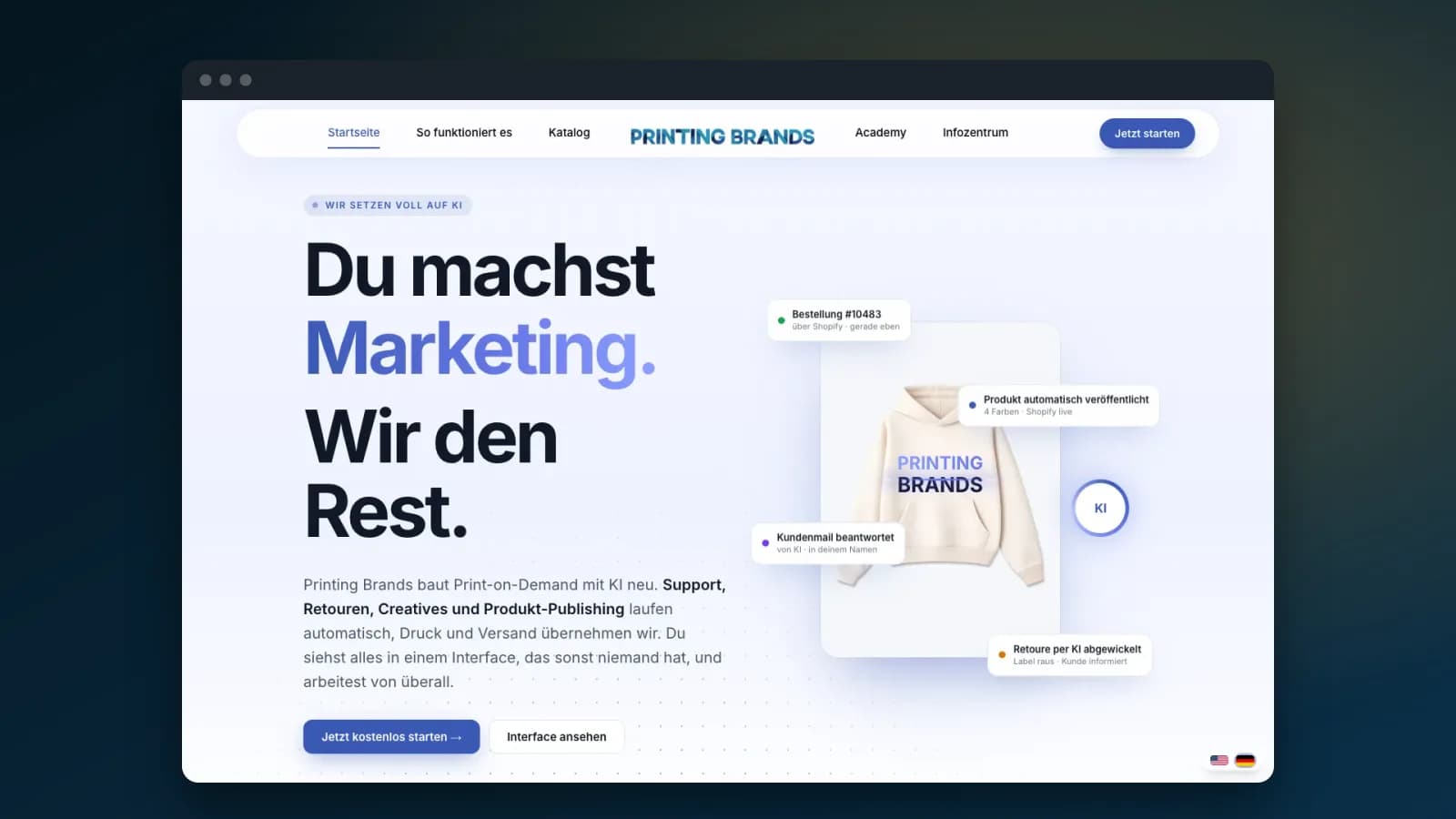 Printing Brands – Print-on-Demand Platform for Shopify Sellers
We check if headless is right for you, review your catalog, content, channels and team, and agree goals.
You receive Fit assessment and requirements
We choose the commerce engine, front end, CMS, search and hosting, and define the API layer.
You receive Architecture and cost plan
We build key pages on real data to test speed, editing and integrations early.
You receive Working prototype
We build the storefront, integrations and editor tools in short iterations, with demos.
You receive Production storefront
We migrate content, set redirects, run load and SEO checks and go live with monitoring.
You receive Live storefront and runbook
We track speed, SEO and conversion and keep adding features.
You receive Roadmap and support plan
Tech stack
Databases
BI and analytics
Frontend
Backend and APIs
Languages
Cloud and DevOps
AWSCRM, commerce and CMS
Testing and quality
Other tools
Engagement
A short paid review that tells you whether headless is worth it and which stack fits.
A full headless storefront delivered against an agreed scope.
Front-end and commerce developers working inside your process.
It depends on the number of page types, the commerce engine, the CMS and search you choose, integrations and how many markets and languages you need. After a short discovery call we send a written estimate. Platform, CMS and hosting fees are billed to your accounts. As a guide, a Hydrogen or Next.js storefront on an existing Shopify store usually costs $30,000 to $90,000, and a full composable build with a new commerce engine $60,000 to $150,000 or more (USD).
Not always. A good Shopify or BigCommerce theme is cheaper to build and run. Headless is worth it when you need a very custom experience, sell through several front ends, combine content from many sources, or have outgrown what themes can do. We will tell you if a theme is the better choice.
Hydrogen is Shopify's own framework and runs on Oxygen hosting included with Shopify, so it is the natural choice for Shopify-only stores. Next.js suits stores that mix several back ends or need a framework your team already knows. Both can be fast and SEO-friendly.
Shopify suits most D2C brands. commercetools fits large catalogs and enterprise teams with complex rules. Medusa and Saleor are open source and give full control if you can host them. BigCommerce is strong for B2B and multi-storefront. We compare them against your needs and budget.
Not if it is built correctly. We render pages on the server, keep URLs or add 301 redirects, output structured data and sitemaps, and test Core Web Vitals before launch.
Yes. We set up a headless CMS with page-building blocks, visual previews and scheduling, so the team can build landing pages and campaigns without code changes.
Usually somewhat more, because you maintain a custom front end and possibly more services. We keep it in check by choosing managed hosting, limiting the number of moving parts and documenting everything so your team or ours can maintain it.
Yes. That is one of the main benefits. The same commerce and content APIs feed the website, a mobile app built in Flutter or React Native, and other channels.
Yes. We often start with high-value pages such as the home page and product pages while keeping the existing checkout, then move more over time.
We start with a headless fit check and a written estimate. A storefront on an existing commerce engine usually takes 3 to 5 months. We need access to your current store, design files and the people who manage content.
You own the storefront code, CMS and hosting accounts. After launch we offer support plans covering monitoring, fixes, upgrades and new features.
Book a call with our team. We will review your store and goals and tell you honestly whether headless fits, which stack, and the likely cost.